Polyester/nylon composite yarn
2024-11-29

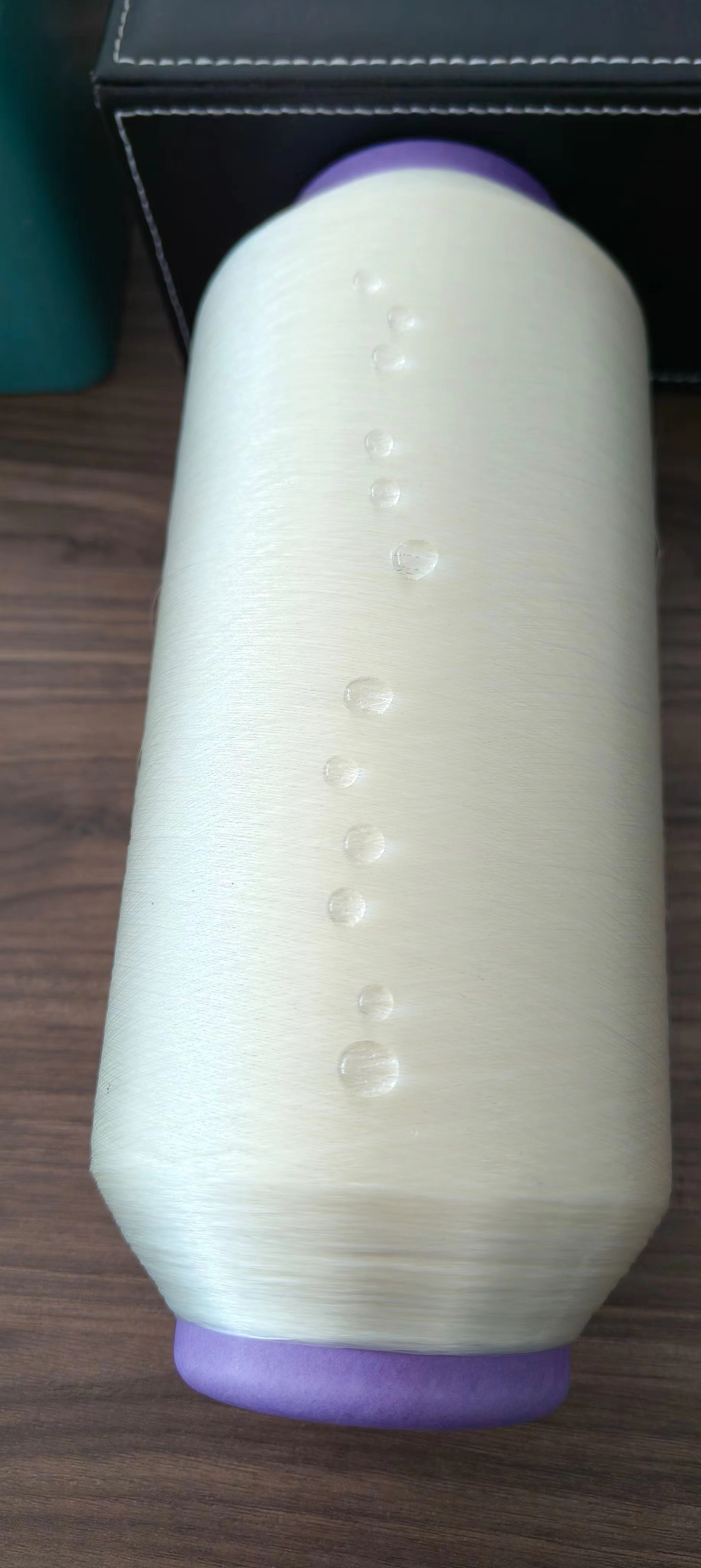
Polyester/nylon composite yarn has the advantages of nylon such as wear resistance, high strength, easy dyeing and moisture absorption, and the advantages of polyester such as good elasticity, good shape retention, crispness and iron-free. It is mainly used in cleaning products, home textile products, etc.
One of the island composite yarn is a blended fiber made by fully mixing two incompatible polymers, and then melt spinning and stretching. One polymer component (called island phase) is dispersed in another polymer component (called sea phase) in the form of fine short fibers (called fibrils). Sea island fiber is also called fibril-matrix composite fiber. One island phase component is a fibril structure, and the other sea phase component is an amorphous structure. In the cross-sectional direction, the fibril structure component is embedded in the amorphous structure component and is distributed in an island shape. In the longitudinal direction of the fiber, the polymers of the two components are continuous, dense and evenly dispersed. From the perspective of the entire fiber, it has the fineness and length of conventional fibers. Sea island fiber is the main method for making ultrafine fibers. Dissolving the "sea" component with a chemical solvent can obtain a large number of bundled ultrafine fibers. At present, sea-island fibers can even produce ultra-fine fibers with a single fiber density of only 0.072dtex (0.065D). The number of ultra-fine fibers in sea-island fibers is the number of "islands", which generally has several specifications such as 16 islands, 24 islands, 36 islands, and 64 islands. When the single fiber density of sea-island yarn is as fine as about 0.33drex (0.3D), the specific surface area is greatly increased, and the microfiber effect appears, which has a leap in performance and quality.
One of the island composite yarn is a blended fiber made by fully mixing two incompatible polymers, and then melt spinning and stretching. One polymer component (called island phase) is dispersed in another polymer component (called sea phase) in the form of fine short fibers (called fibrils). Sea island fiber is also called fibril-matrix composite fiber. One island phase component is a fibril structure, and the other sea phase component is an amorphous structure. In the cross-sectional direction, the fibril structure component is embedded in the amorphous structure component and is distributed in an island shape. In the longitudinal direction of the fiber, the polymers of the two components are continuous, dense and evenly dispersed. From the perspective of the entire fiber, it has the fineness and length of conventional fibers. Sea island fiber is the main method for making ultrafine fibers. Dissolving the "sea" component with a chemical solvent can obtain a large number of bundled ultrafine fibers. At present, sea-island fibers can even produce ultra-fine fibers with a single fiber density of only 0.072dtex (0.065D). The number of ultra-fine fibers in sea-island fibers is the number of "islands", which generally has several specifications such as 16 islands, 24 islands, 36 islands, and 64 islands. When the single fiber density of sea-island yarn is as fine as about 0.33drex (0.3D), the specific surface area is greatly increased, and the microfiber effect appears, which has a leap in performance and quality.
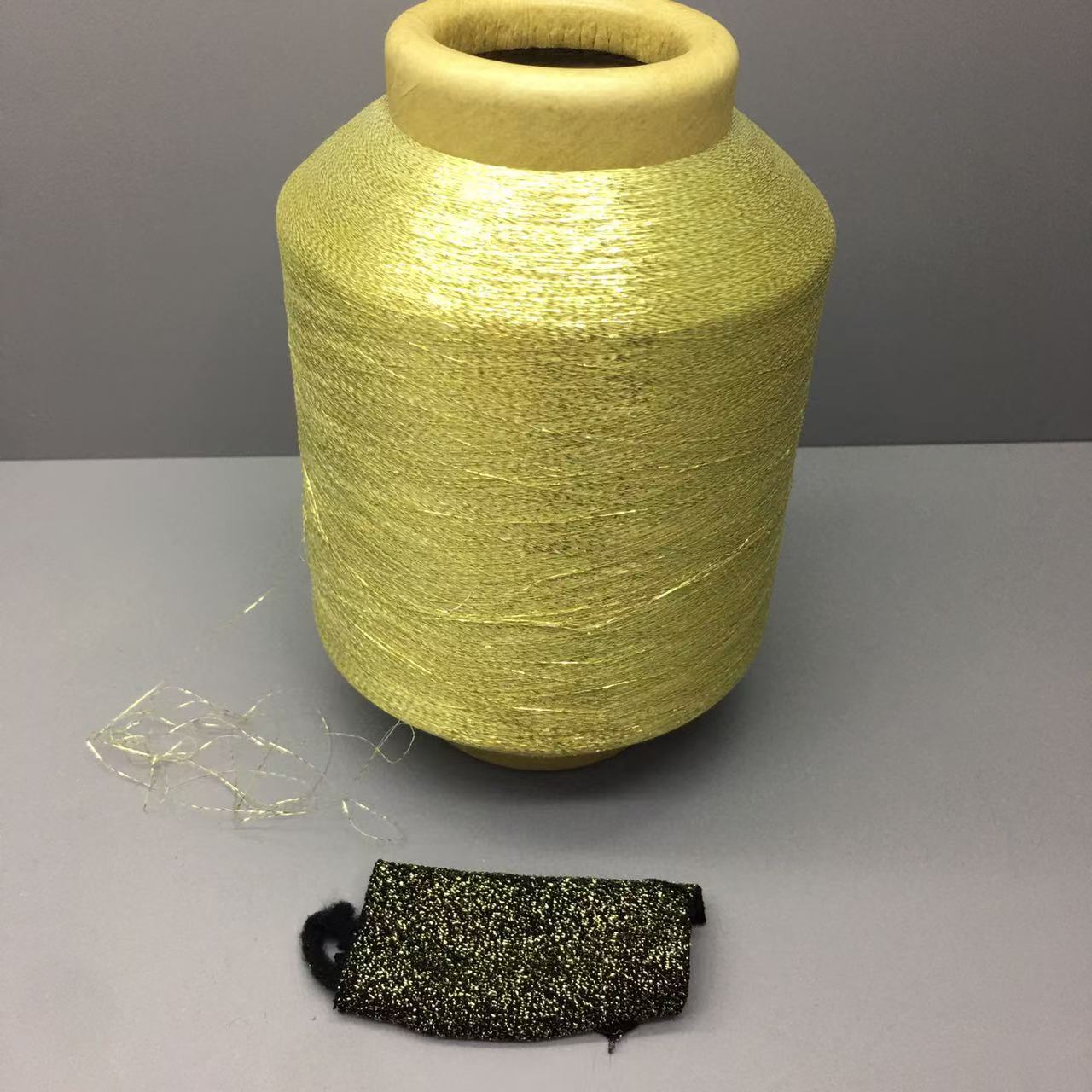
Lurex Yarn (Metallic Yarn)
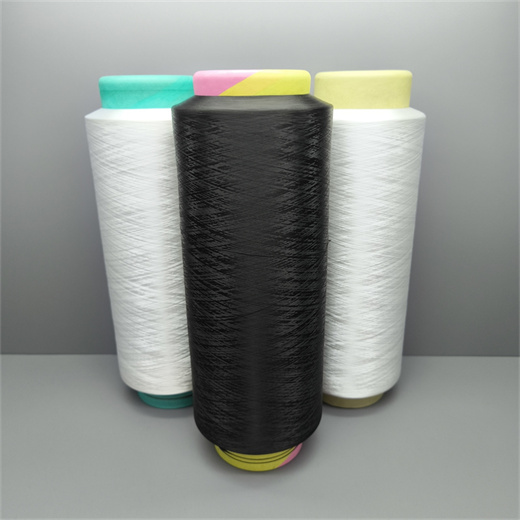
Dope-dyed yarn and color-dyed yarn
Related Article
Application and Development Trends of PBT Fiber
Application and Development Trends of PBT Fiber