What is carbon fiber
author: Jason
2025-07-25
Advantages of carbon fiber
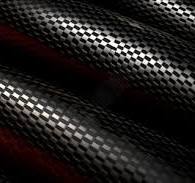
1. **High Strength**: Carbon fiber has a strength far superior to traditional materials like steel, making it ideal for applications requiring high strength.We can usually meet them in aircraft high-end bike ,golf clubs and tennis rackets.
2. **Low Weight**: Compared to materials of similar strength, carbon fiber is extremely lightweight, which helps in reducing structural weight and improving fuel efficiency and performance.Therefore they are often used in racing cars
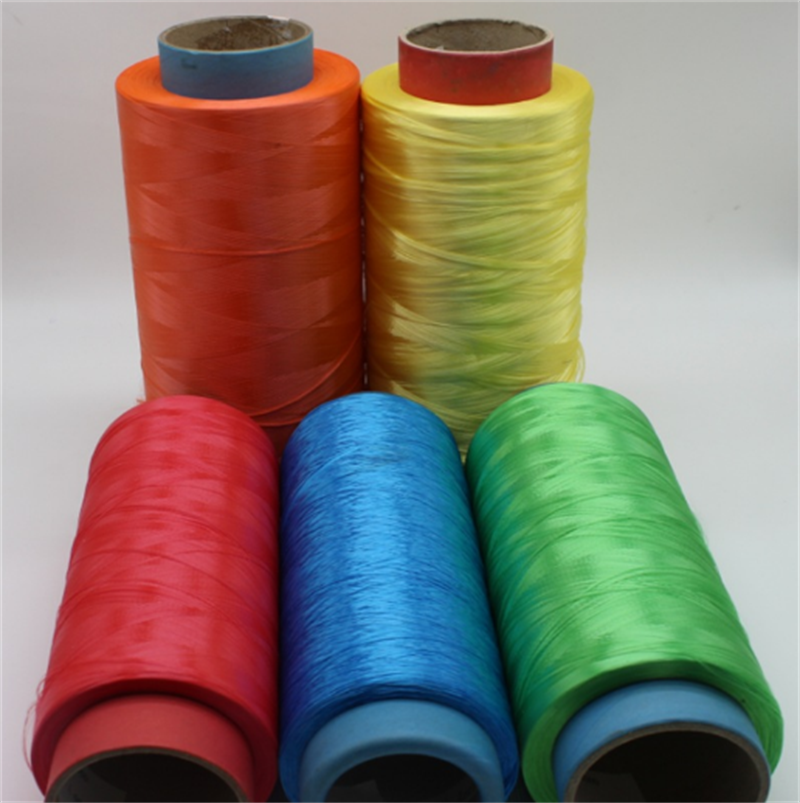
3. **High Modulus**: It exhibits high rigidity, allowing it to maintain shape and withstand significant loads.So some are used as silk thread.One of the best carbon fabric yarns are from Tian Fang Technology.
4. **Corrosion Resistance**: Carbon fiber is highly resistant to most chemicals and environmental factors (such as moisture and saltwater), making it suitable for harsh environments.
The most representative product is carbon fiber yarn.
5. **Thermal Stability**: It performs well under high temperatures, making it suitable for high-temperature applications.
6. **Low Thermal Expansion**: It exhibits minimal expansion when heated, ensuring dimensional stability under temperature changes.
7. **Design Flexibility**: Carbon fiber can be molded into various shapes and sizes, allowing for complex design applications.
8. **Electromagnetic Shielding**: It has good electromagnetic shielding properties, useful in applications that require protection from electromagnetic interference.
1. **High Cost**: The production of carbon fiber involves complex and time-consuming processes, leading to relatively high manufacturing costs.
2. **Brittleness**: Despite its high strength and stiffness, carbon fiber is relatively brittle and can fracture when subjected to impacts beyond its tolerance.
3. **Difficult Processing**: Working with carbon fiber requires specialized equipment and expertise, which increases manufacturing complexity and cost.
4. **Conductivity**: While electrical conductivity can be an advantage in some applications, it can pose issues in applications where insulating properties are required.
5. **Limited Recyclability**: The recycling process for carbon fiber composites is still not fully developed, posing challenges for environmental sustainability.
6. **Low Interlaminar Shear Strength**: In laminated structures, carbon fiber can have low interlaminar shear strength, leading to a risk of delamination.
2. **Low Weight**: Compared to materials of similar strength, carbon fiber is extremely lightweight, which helps in reducing structural weight and improving fuel efficiency and performance.Therefore they are often used in racing cars
3. **High Modulus**: It exhibits high rigidity, allowing it to maintain shape and withstand significant loads.So some are used as silk thread.One of the best carbon fabric yarns are from Tian Fang Technology.
.
4. **Corrosion Resistance**: Carbon fiber is highly resistant to most chemicals and environmental factors (such as moisture and saltwater), making it suitable for harsh environments.
The most representative product is carbon fiber yarn.
5. **Thermal Stability**: It performs well under high temperatures, making it suitable for high-temperature applications.
6. **Low Thermal Expansion**: It exhibits minimal expansion when heated, ensuring dimensional stability under temperature changes.
7. **Design Flexibility**: Carbon fiber can be molded into various shapes and sizes, allowing for complex design applications.
8. **Electromagnetic Shielding**: It has good electromagnetic shielding properties, useful in applications that require protection from electromagnetic interference.
But one coin has two sides.Let us talk about the disadvantages of carbon fabric.
Disadvantages of carbon fabric
1. **High Cost**: The production of carbon fiber involves complex and time-consuming processes, leading to relatively high manufacturing costs.
2. **Brittleness**: Despite its high strength and stiffness, carbon fiber is relatively brittle and can fracture when subjected to impacts beyond its tolerance.
3. **Difficult Processing**: Working with carbon fiber requires specialized equipment and expertise, which increases manufacturing complexity and cost.
4. **Conductivity**: While electrical conductivity can be an advantage in some applications, it can pose issues in applications where insulating properties are required.
5. **Limited Recyclability**: The recycling process for carbon fiber composites is still not fully developed, posing challenges for environmental sustainability.
6. **Low Interlaminar Shear Strength**: In laminated structures, carbon fiber can have low interlaminar shear strength, leading to a risk of delamination.
Carbon fiber applications
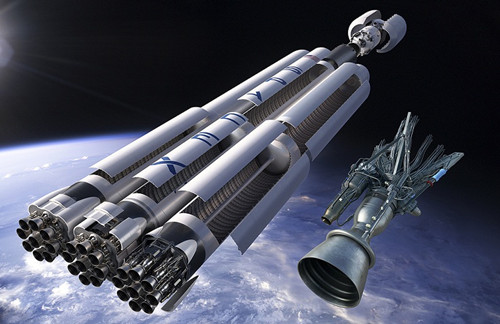
1. **Aerospace**: Carbon fiber is extensively used in the manufacture of aircraft and spacecraft to reduce weight, improve fuel efficiency, and maintain structural strength.
2. **Automotive Industry**: In high-performance and electric vehicles, carbon fiber is used in bodies, chassis, and other components to lower weight and increase speed and energy efficiency.

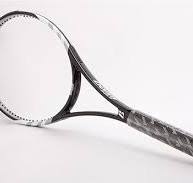
3. **Sports Equipment**: Carbon fiber is popular in the manufacture of high-performance sports gear, such as bicycles, tennis rackets, golf clubs, and skis, to enhance performance and durability.
4. **Wind Energy**: In wind turbines, carbon fiber is used to make long blades that require lightweight and high-strength characteristics to improve energy efficiency.
5. **Marine Engineering**: Carbon fiber is used in constructing lightweight and corrosion-resistant hulls and boat components, which can help increase speed and fuel efficiency.
6. **Construction**: It is used to reinforce concrete structures and bridges, making them more durable and earthquake-resistant.
7. **Medical Devices**: Carbon fiber is widely used in some medical devices, such as wheelchairs and prosthetics, due to its lightweight and high-strength features.
8. **Electronics**: In electronic devices like laptops and mobile phones, carbon fiber is used for casing materials to enhance impact resistance and reduce weight.
2. **Automotive Industry**: In high-performance and electric vehicles, carbon fiber is used in bodies, chassis, and other components to lower weight and increase speed and energy efficiency.
3. **Sports Equipment**: Carbon fiber is popular in the manufacture of high-performance sports gear, such as bicycles, tennis rackets, golf clubs, and skis, to enhance performance and durability.
4. **Wind Energy**: In wind turbines, carbon fiber is used to make long blades that require lightweight and high-strength characteristics to improve energy efficiency.
5. **Marine Engineering**: Carbon fiber is used in constructing lightweight and corrosion-resistant hulls and boat components, which can help increase speed and fuel efficiency.
6. **Construction**: It is used to reinforce concrete structures and bridges, making them more durable and earthquake-resistant.
7. **Medical Devices**: Carbon fiber is widely used in some medical devices, such as wheelchairs and prosthetics, due to its lightweight and high-strength features.
8. **Electronics**: In electronic devices like laptops and mobile phones, carbon fiber is used for casing materials to enhance impact resistance and reduce weight.
In short ,carbon fiber is renowned for its high strength and lightweight properties, making it widely applicable across various industries, including aerospace, automotive, sports equipment, wind energy, marine engineering,construction, medical devices, and electronics. Its exceptional mechanical performance enables products to achieve enhanced efficiency and effectiveness while reducing weight and increasing fuel efficiency. Despite itshigher cost and processing challenges, advancements in technology are gradually addressing these issues, paving the way for a brighter future for carbon fiber applications. It plays a crucial role in facilitating more sustainableand efficient product designs, and with ongoing innovations, it is expected to be adopted in even more emerging fields.
The best material for socks