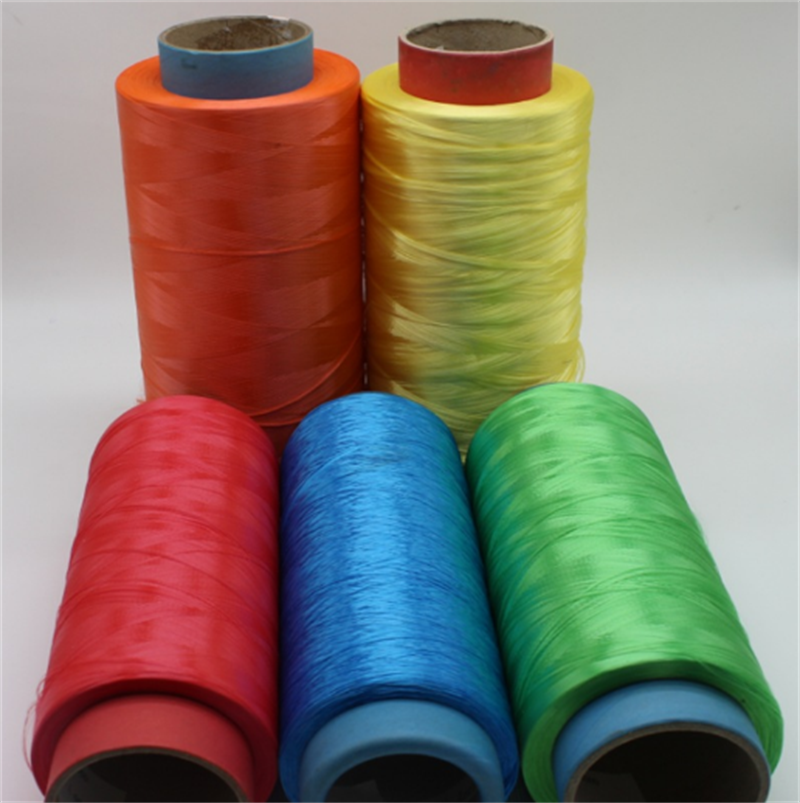
What is nylon ATY?
author: Sam Wu
2026-05-22
Nylon DTY (Draw Textured Yarn) is a type of processed nylon yarn known for its unique physical properties and wide-ranging applications in the textile industry. Below is a detailed explanation:
1. Definition and Production Process
- DTY (Draw Textured Yarn): This refers to a type of yarn that has undergone both drawing and texturing processes. The yarn is first stretched (drawn) to align its molecular structure and improve strength, then textured to introduce bulk, elasticity, and a soft hand feel.
- Nylon DTY: Specifically made from nylon polymers (e.g., Nylon 6 or Nylon 6,6), this yarn combines the inherent strength and durability of nylon with the textured properties of DTY.
2. Key Characteristics
- High Strength and Durability: Nylon is renowned for its excellent tensile strength and abrasion resistance, making DTY suitable for applications requiring long-lasting performance.
- Elasticity and Bulk: The texturing process gives the yarn a coiled or crimped structure, enhancing its stretchability and volume. This results in fabrics with good coverage, softness, and comfort.
- Moisture Management: Nylon DTY has moderate moisture-wicking properties, making it suitable for activewear and outdoor apparel.
- Lightweight: Despite its strength, nylon DTY is lightweight, contributing to the comfort of garments.
- Dyeability: It accepts dyes well, allowing for vibrant and long-lasting colors.
3. Applications
- Apparel: Widely used in sportswear, hosiery, undergarments, and outerwear due to its comfort, stretch, and durability.
- Home Textiles: Employed in curtains, upholstery, and carpets for its resilience and aesthetic appeal.
- Industrial Uses: Utilized in ropes, belts, and technical textiles where high strength and resistance to wear are critical.
- Automotive: Found in airbags, seat belts, and interior fabrics due to its safety and durability.
4. Advantages Over Other Yarns
- Cost-Effective: Nylon DTY offers a balance of performance and affordability compared to premium fibers like spandex or silk.
- Versatility: Its properties can be tailored to specific needs by adjusting the texturing process, making it adaptable for various applications.
- Ease of Processing: It is compatible with a wide range of textile machinery, facilitating efficient production.
5. Comparison with Other Nylon Yarns
- Nylon FDY (Fully Drawn Yarn): Unlike DTY, FDY is not textured and has a smoother, flatter surface. It is stronger and less elastic, making it more suitable for woven fabrics and applications requiring high dimensional stability.
- Nylon ATY (Air Textured Yarn): ATY uses air-jet texturing to create a bulkier yarn with a more natural, cotton-like appearance. It is often used in fabrics where a softer hand feel is desired.
6. Environmental Considerations
- Recyclability: Nylon is recyclable, and DTY can be produced from recycled nylon, contributing to sustainability efforts.
Production Impact: The production of nylon involves energy-intensive processes, but advancements in technology are improving efficiency and reducing environmental impact.
What is UHMWPE?