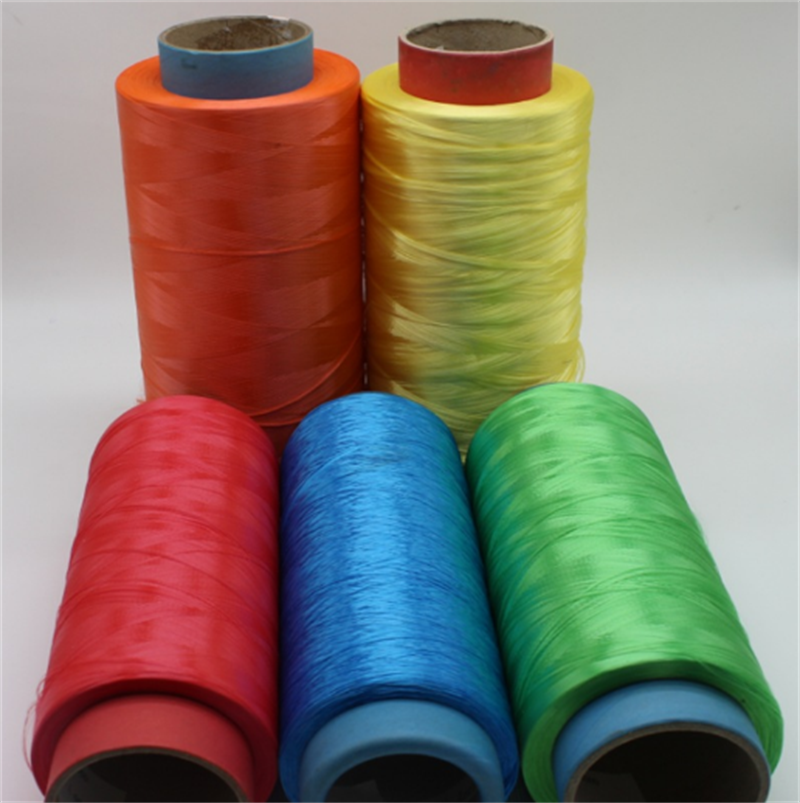
The best material for socks
author: Jason
2025-07-30
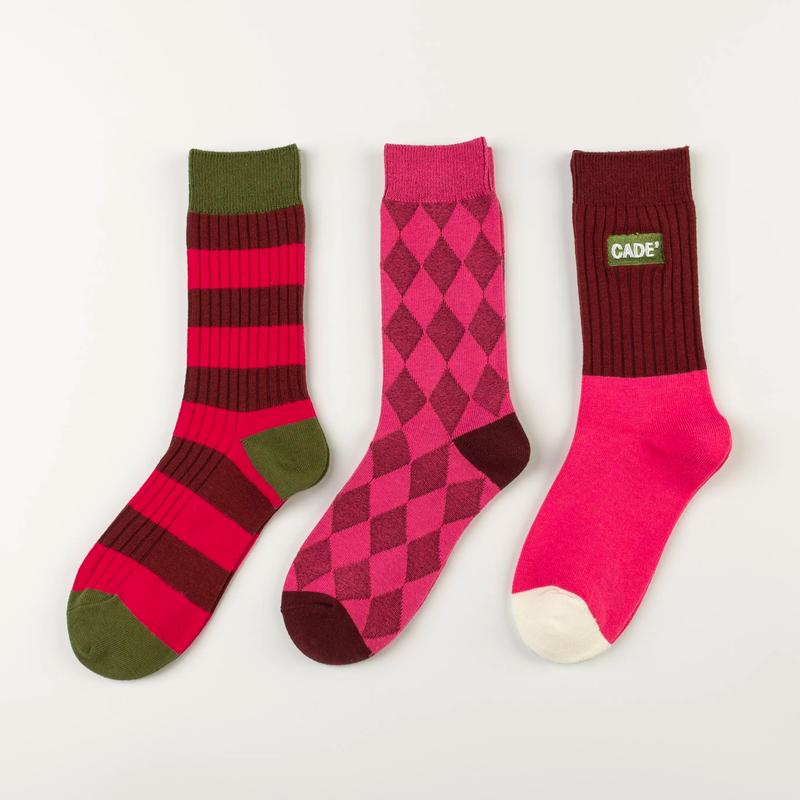
Some common materials for making socks
1. **Cotton**: Cotton socks are popular for their softness, breathability, and moisture-absorbing qualities. As a natural fiber, cotton provides comfort and is ideal for everyday wear. However, pure cotton lacks elasticity, so it is often blended with other fibers to enhance performance.
2. **Wool**: Wool socks are renowned for their excellent insulation properties, making them perfect for cold weather. Wool is highly absorbent and naturally antibacterial, which is ideal for outdoor activities and harsh climates. Merino wool is particularly favored as it is softer and less itchy than regular wool.
3. **Nylon**: Nylon is a synthetic fiber commonly blended with other fibers to improve the strength and elasticity of socks. Nylon socks are durable, wash well, and maintain their shape and color over time.
4. **Polyester**: Polyester offers quick-drying, sweat-wicking, and abrasion-resistant properties, making it a popular choice for athletic socks. It's lightweight and retains color well, suitable for various sock designs.One of the best products is Coolmax .This product is specifically designed to provide moisture wicking and quick drying properties.
5. **Spandex (Elastane)**: Spandex provides elasticity and fit, often used in elastic parts of socks such as the cuffs, ankles, and toes. It helps socks stay in place and enhances wear comfort.
6. **Bamboo Fiber**: Bamboo fiber socks are appreciated for their natural antibacterial and deodorizing properties and excellent breathability. They're soft and moisture-wicking, making them ideal for summer or for individuals who sweat heavily.
7. **Silk**: Although not common, silk socks offer a luxurious feel and excellent temperature regulation. They are suitable for special occasions and provide a touch of elegance to the wearer.
2. **Wool**: Wool socks are renowned for their excellent insulation properties, making them perfect for cold weather. Wool is highly absorbent and naturally antibacterial, which is ideal for outdoor activities and harsh climates. Merino wool is particularly favored as it is softer and less itchy than regular wool.
3. **Nylon**: Nylon is a synthetic fiber commonly blended with other fibers to improve the strength and elasticity of socks. Nylon socks are durable, wash well, and maintain their shape and color over time.
4. **Polyester**: Polyester offers quick-drying, sweat-wicking, and abrasion-resistant properties, making it a popular choice for athletic socks. It's lightweight and retains color well, suitable for various sock designs.One of the best products is Coolmax .This product is specifically designed to provide moisture wicking and quick drying properties.
5. **Spandex (Elastane)**: Spandex provides elasticity and fit, often used in elastic parts of socks such as the cuffs, ankles, and toes. It helps socks stay in place and enhances wear comfort.
6. **Bamboo Fiber**: Bamboo fiber socks are appreciated for their natural antibacterial and deodorizing properties and excellent breathability. They're soft and moisture-wicking, making them ideal for summer or for individuals who sweat heavily.
7. **Silk**: Although not common, silk socks offer a luxurious feel and excellent temperature regulation. They are suitable for special occasions and provide a touch of elegance to the wearer.
Different countries use different kinds of socks
1. **United States and Canada**:
- **Cotton**: Known for its breathability, suitable for various seasons.
- **Polyester**: Durable and cost-effective, often used in athletic socks.
- **Wool**: In colder regions like Canada, wool socks provide extra warmth.
2. **Europe**:
- **United Kingdom and Ireland**: Wool and blended fiber socks are popular, especially for winter warmth.
- **Western European countries (e.g., France, Germany)**: Cotton and synthetic fibers are commonly used, offering both comfort and fashionable socks.
- **Nordic countries (e.g., Norway, Sweden)**: Wool is favored for its excellent insulating properties.
3. **Asia**:
- **China**: Cotton is a common choice, with bamboo fibers gaining popularity due to their antibacterial and eco-friendly properties.One of my favorite socks are made of Lyocell Filament .It is famous for his breathability and moisture absorption.
- **Japan**: High-quality cotton and silk are preferred, especially for formal occasions or traditional attire like kimonos.
- **South Korea**: Similar to Japan, cotton socks are widely favored, with an increasing use of functional materials like Coolmax.
4. **Australia and New Zealand**:
- **Merino Wool**: Known for its unique softness and temperature regulation, it's commonly used in socks in these countries.
- **Cotton**: Widely used for warmer conditions.
5. **Africa**:
- **South Africa**: Lightweight cotton socks are widely used, suitable for the warmer climate.
6. **South America**:
- **Brazil and Argentina**: Cotton is the most common material, with some blends used to enhance durability and comfort.
- **Cotton**: Known for its breathability, suitable for various seasons.
- **Polyester**: Durable and cost-effective, often used in athletic socks.
- **Wool**: In colder regions like Canada, wool socks provide extra warmth.
2. **Europe**:
- **United Kingdom and Ireland**: Wool and blended fiber socks are popular, especially for winter warmth.
- **Western European countries (e.g., France, Germany)**: Cotton and synthetic fibers are commonly used, offering both comfort and fashionable socks.
- **Nordic countries (e.g., Norway, Sweden)**: Wool is favored for its excellent insulating properties.
3. **Asia**:
- **China**: Cotton is a common choice, with bamboo fibers gaining popularity due to their antibacterial and eco-friendly properties.One of my favorite socks are made of Lyocell Filament .It is famous for his breathability and moisture absorption.
- **Japan**: High-quality cotton and silk are preferred, especially for formal occasions or traditional attire like kimonos.
- **South Korea**: Similar to Japan, cotton socks are widely favored, with an increasing use of functional materials like Coolmax.
4. **Australia and New Zealand**:
- **Merino Wool**: Known for its unique softness and temperature regulation, it's commonly used in socks in these countries.
- **Cotton**: Widely used for warmer conditions.
5. **Africa**:
- **South Africa**: Lightweight cotton socks are widely used, suitable for the warmer climate.
6. **South America**:
- **Brazil and Argentina**: Cotton is the most common material, with some blends used to enhance durability and comfort.
Why should we use different types of socks
- Comfort: Cotton is naturally soft and highly absorbent. It can absorb the sweat on the feet, keep the feet dry and make the skin feel comfortable, which is suitable for long - term daily wear. Wool, on the other hand, has good heat - retention and softness, providing warmth and comfort to the feet in cold weather.
- Functionality: Synthetic materials such as nylon and polyester are highly wear - resistant, making them suitable for sports and other scenarios where the socks are likely to be subjected to great friction, thus extending the service life of the socks. Some socks containing elastic fibers (such as spandex) have good elasticity, can fit the feet closely and are not easy to slip off, which is suitable for wearing during sports to provide better support and wrapping for the feet.
- Breathability: Cotton and linen materials have good breathability, allowing air exchange between the feet and the outside world, reducing the breeding of bacteria and the generation of odor due to stuffy and humid feet. In contrast, some synthetic materials have relatively poor breathability, but some can also have good breathability after special treatment.
- Aesthetics: Silk socks have a bright luster and an elegant texture, which are suitable for matching with formal clothes to increase the aesthetic degree. Socks made of materials like lace have unique decorative properties and can meet the needs of some special occasions or fashion collocations.
- Application Scenarios: Socks made of different materials are selected according to different life scenarios. In cold winter, wool or plush socks with good heat - retention are suitable for keeping out the cold indoors and outdoors. In hot summer, cotton or linen socks with strong breathability can keep the feet cool. During sports, functional synthetic material socks can better meet the needs of sports.
In short We use socks made of different materials mainly because they can meet diverse needs. Some are soft and skin - friendly, while others can better regulate the humidity of the feet. some materials are wear - resistant and suitable for scenarios with high friction like sports; some have good elasticity and can provide better wrapping. So best means suitability we should chose comfort socks in different scenes.Then making our feet more healthy.
High-end twisted yarn
What is carbon fiber