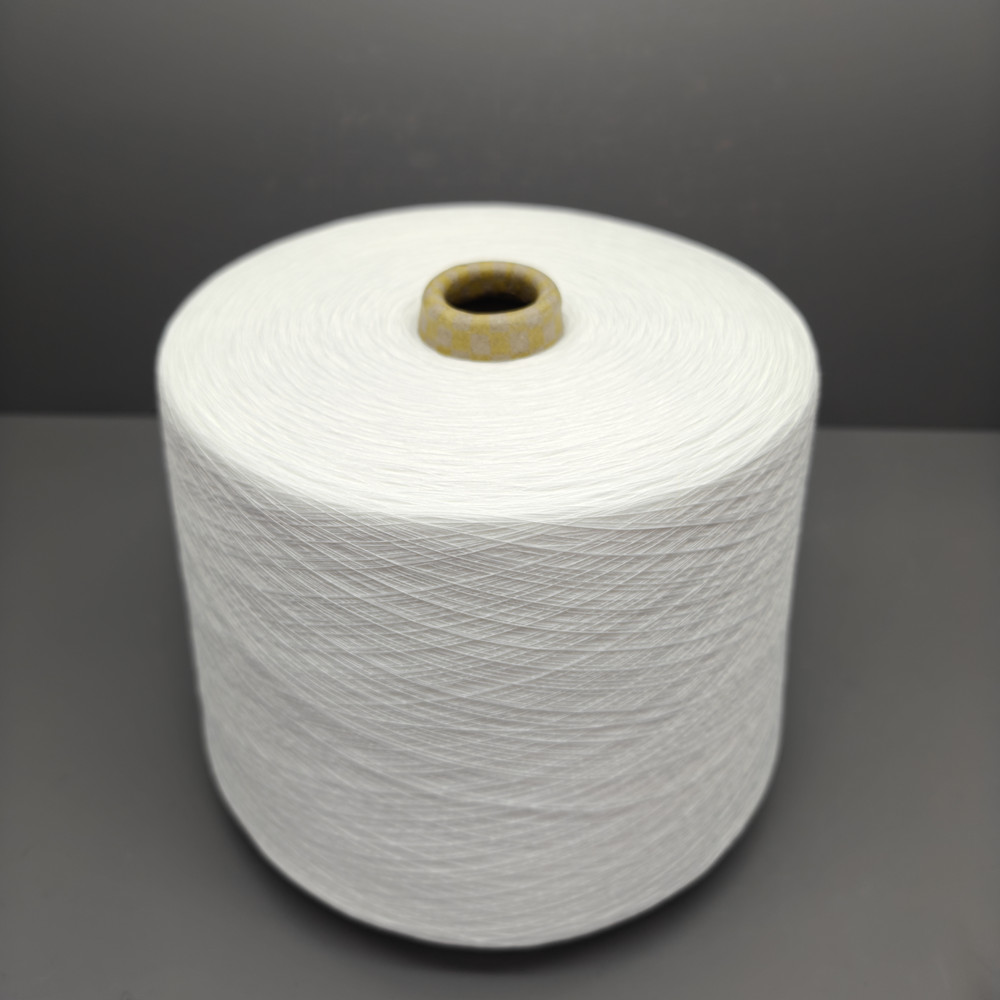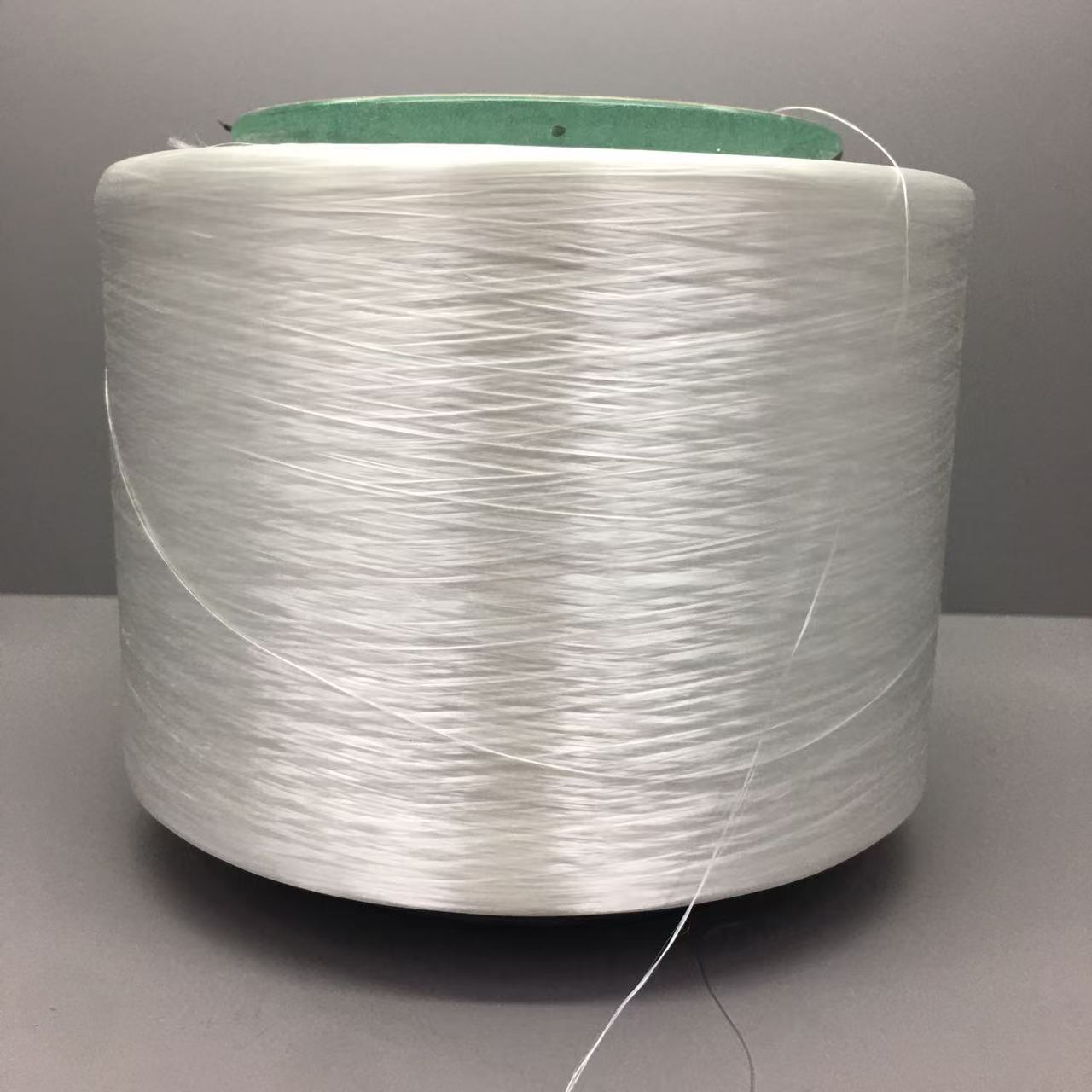
Twisting Thousands of "Threads", Weaving Styles: A Discussion on the Styling Effect of Twisting Process on Fabrics
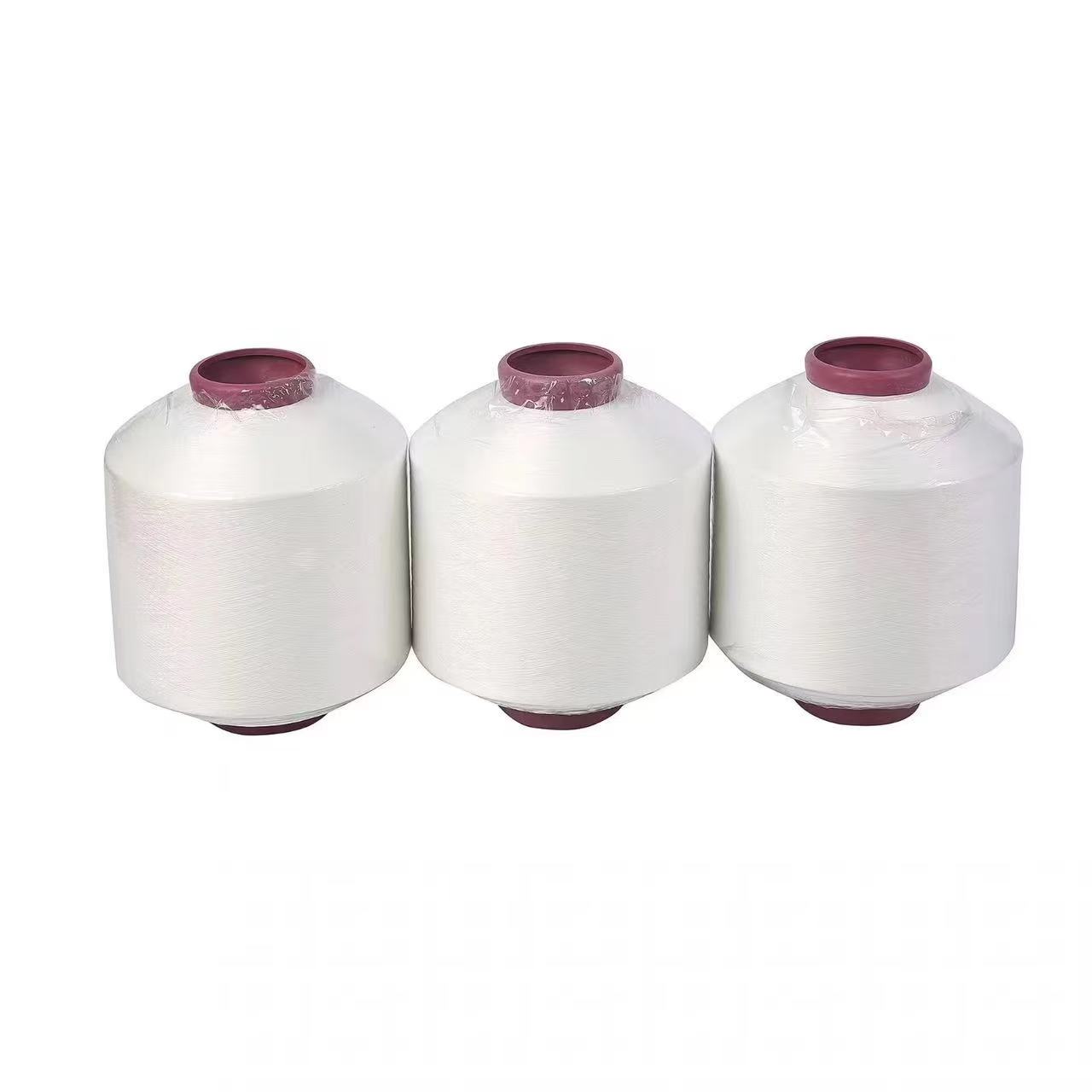
In the realm of textiles, seemingly ordinary fibers, when subjected to ingenious processing techniques, can transform into a myriad of textures and styles.
Among these techniques, the ancient and exquisite craft of "twisting" acts like a silent sculptor, profoundly altering the structure and performance of yarns by applying torque to the fibers, ultimately presenting a diverse range of visual and tactile experiences on fabrics.
Whether it's the resilience of nylon, the crispness of polyester, or the smoothness of acetate filaments, twisting opens up new dimensions for their stylistic expression.
I. Twisting Process: Laying the Foundation for Style from Fiber to Yarn
Twisting, in essence, involves rotating a bundle of fibers around its axis, causing them to cling together and enhancing the yarn's strength, density, and elasticity.
The degree of twist is the core variable determining the final style:
- Light Twist: Yields soft, fluffy yarns that impart a light, supple, and slightly glossy touch to fabrics.
- Medium Twist: Balances strength and softness, serving as the foundation for conventional fabrics with a balanced style.
- Strong Twist: Produces tight, stiff yarns with a strong tendency to contract and unique wrinkle textures, significantly enhancing elasticity.
II. The "Metamorphosis" of Different Fibers Through Twisting
When the twisting process is applied to fibers with distinct characteristics, it sparks a fascinating chemical reaction, shaping unique fabric styles.
- Nylon: From Slippery Resilience to "Elastic Texture"
Nylon is renowned for its high strength, abrasion resistance, and smoothness.
Subjecting it to strong twisting results in significant changes:
-
- Stylistic Expression: The high elastic contractile force from strong twisting induces permanent crinkling effects during finishing, creating textures akin to "georgette" or "seersucker."
The fabric, no longer a smooth plane, acquires a three-dimensional, slightly elastic granular appearance.
-
- Tactile and Visual Appeal: The feel transitions from mere slipperiness to a dry, bony texture with excellent drape and wrinkle resistance. Visually, it becomes hazy and layered, greatly masking the original "glare" of synthetic fibers, exuding a more premium and natural look.
Ideal for crafting flowing spring and summer women's wear and sports functional fabrics, it achieves a fusion of functionality and aesthetics.
- Polyester: From "Plastic" to "Natural" Transformation
Polyester often appears stiff and cheap due to its rigidity and luster.
However, twisting, particularly medium to strong twisting, is key to its stylistic transformation:
-
- Stylistic Expression: Twisting increases the internal cohesion and friction of yarns, disrupting the regularity of fiber surfaces and effectively softening their harsh luster, approaching the natural sheen of wool or cotton and linen.
- Tactile and Visual Appeal: The fabric's feel transforms from stiffness to plumpness and flexibility, acquiring better "body."
Strong-twisted polyester imitation linen fabric is a classic example, achieving linen's dry feel and rugged appearance while overcoming its wrinkle-prone drawback.
Twisting enables polyester to shed its "cheap" image and successfully enter the high-end bionic and business casual fabric sectors.
- Acetate Filaments: From Silk Imitation to Independent Style
Acetate filaments are favored for their silk-like drape, luster, and smoothness.
Applying varying degrees of twisting to acetate filaments can create styles beyond their inherent characteristics:
-
- Light or No Twist: Maximizes retention of their silky luster and drape, yielding smooth, skin-adhering fabrics suitable for dresses, scarves, and high-end linings.
- Medium to Strong Twist: When acetate filaments are subjected to medium to strong twisting, they begin to exhibit unique "rigidity."
The fabric becomes crisp and elastic, with drape supported by resilience, avoiding clinginess.
-
- Stylistic Expression: Strong-twisted acetate fabric develops a subtle "crinkle effect," with a fine texture and a soft, pearl-like luster.
It retains some silk elegance while adding modern fabric requirements of rigidity and wrinkle resistance, perfect for crafting structured shirts, dresses, and trousers, achieving a harmonious balance between vintage and modern styles.
III. Twisting Combinations: Infinite Possibilities for Style
Beyond twisting single fibers, interweaving twisted yarns with untwisted ones or combining yarns of different twist directions and degrees can create an endless array of styles.
For instance, arranging strong-twisted and light-twisted yarns in a pattern can produce an uneven "crinkle stripe" or "bark crinkle" effect on the fabric surface; leveraging the contractile nature of strong-twisted yarns can also weave permanent three-dimensional jacquard patterns.
Conclusion
Twisting, the helical force permeating yarns, is far more than a physical process of enhancing strength; it is a sophisticated artistic creation.
It grants nylon natural wrinkles, teaches polyester humility and simplicity, and enables acetate filaments to find their modern language beyond imitating silk.
In the hands of designers and engineers, twist degree acts as a brush, ultimately weaving a symphony of style and functionality on the vast canvas of fabrics.
Fuzhou Tianfang Technology Co., Ltd. specializes in the development, production, and sales of single and double twisting for various fibers, serving as the ideal partner for high-end women's and men's wear.
Utilizing the unique characteristics of different raw materials and special processing techniques, our twisted yarns produce fabrics and garments with superior drape, crispness, and a more premium feel, making them the top choice for high-end brands. Sample prototyping is available. Below is a partial list of products we can develop:
Product 1:
- Acetate twisted yarn in stock: 55/17 700 twist
- 75/19 blended with 20 cationic 350 twist
- 75/19 400 twist single twist
- 75/19 blended with 75 low-temperature polyester imitation acetate 600 twist
- 120D/30 600 twist
Product 2:
Slub yarn 350D acetate slub yarn with 38% acetate content
Product 3:
120 acetate with 800 twist S blended with 20D nylon monofilament at 800 twist Z
75 acetate filament no twist blended with 80S pure cotton, twisted at 850 twist
Dope dyed yarn polyester nylon high tenacity
21S ring spun 100% polyetser
Related Article

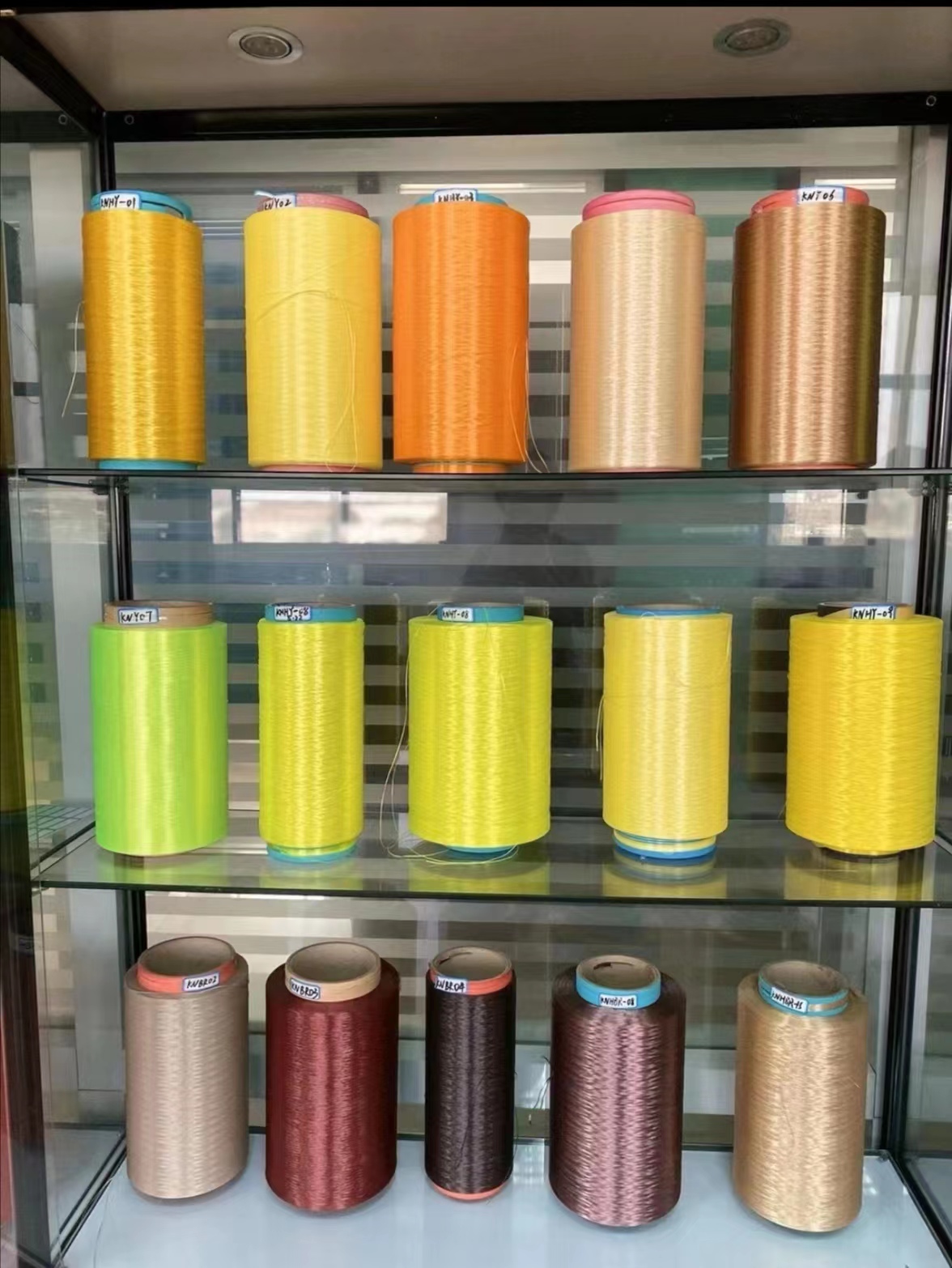
840/140
1680/280
2520/420
for your strongest fabric.
Polyester HT 400D
400D 600D 1200D
Webbing, suitcase straps use