War in Iran how effected yarn prices?
author: Eve
2026-03-04
The war in Iran can affect global yarn prices through several interconnected channels, especially if the conflict disrupts supply chains, energy markets, or regional trade routes. Here’s how such a situation might influence yarn prices:
1. Crude oil price volatility
Iran is a major oil producer. Any conflict there often leads to higher crude oil prices due to supply concerns. Since polyester and other synthetic fibers are petroleum-based, their feedstock costs rise with oil prices, pushing up yarn prices globally.
Iran is a major oil producer. Any conflict there often leads to higher crude oil prices due to supply concerns. Since polyester and other synthetic fibers are petroleum-based, their feedstock costs rise with oil prices, pushing up yarn prices globally.
2. Trade sanctions and export restrictions
If sanctions or embargoes are imposed or expanded during wartime, Iranian exports of raw materials (such as cotton, acrylic fibers, or chemicals used in dyeing and finishing) could be disrupted. This reduces global supply availability, potentially driving prices upward.
If sanctions or embargoes are imposed or expanded during wartime, Iranian exports of raw materials (such as cotton, acrylic fibers, or chemicals used in dyeing and finishing) could be disrupted. This reduces global supply availability, potentially driving prices upward.
3. Shipping and logistics disruptions
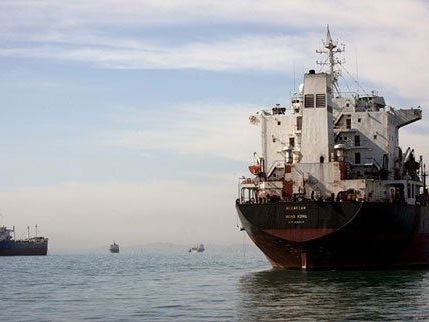
Conflict near key shipping lanes (e.g., Strait of Hormuz) may increase freight rates and delay shipments of yarn or fiber imports/exports. Higher transportation costs get passed along the supply chain, raising end-product prices.
Conflict near key shipping lanes (e.g., Strait of Hormuz) may increase freight rates and delay shipments of yarn or fiber imports/exports. Higher transportation costs get passed along the supply chain, raising end-product prices.
4. Currency fluctuations
Geopolitical instability can weaken local currencies, including the Iranian rial and others in the region. For international buyers paying in USD or EUR, currency depreciation may lead suppliers to raise prices to protect margins.
Geopolitical instability can weaken local currencies, including the Iranian rial and others in the region. For international buyers paying in USD or EUR, currency depreciation may lead suppliers to raise prices to protect margins.
5. Market speculation and risk premiums
Traders and manufacturers may stockpile materials in anticipation of shortages, creating short-term demand spikes that push prices higher even before physical supply is affected.
Traders and manufacturers may stockpile materials in anticipation of shortages, creating short-term demand spikes that push prices higher even before physical supply is affected.
Result for yarn market
• Synthetic yarns (polyester, nylon): Likely to see sharper price increases due to oil linkage.
• Synthetic yarns (polyester, nylon): Likely to see sharper price increases due to oil linkage.
• Natural fiber yarns (cotton, wool): May also rise if shipping costs jump or if alternative supplies from Iran are cut off.
• Delivery times: Potential delays as routes are rerouted or capacity tightens.
Dope dyed yarn polyester nylon high tenacity
Related Article
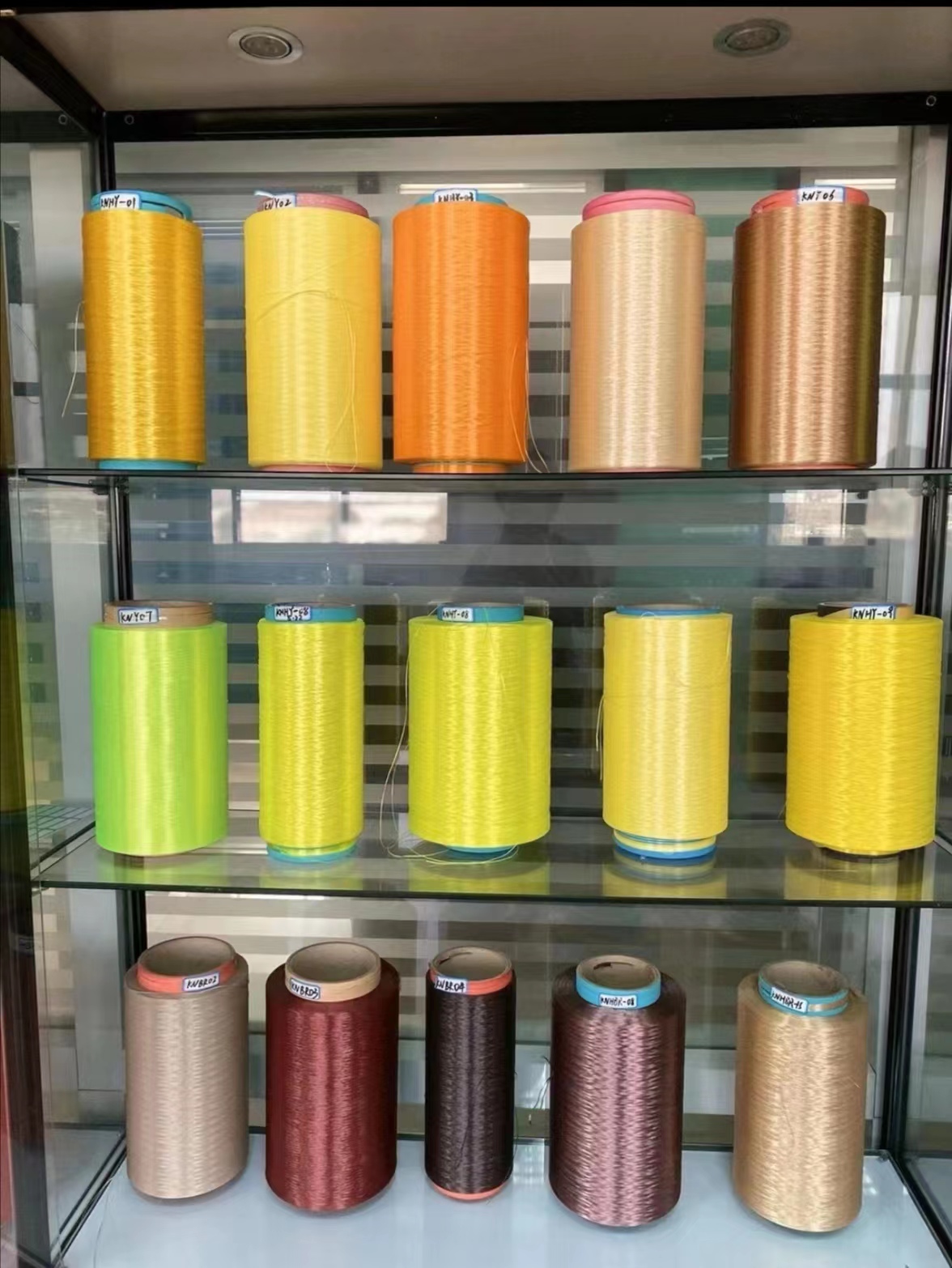
Nylon 6 HT yarn,
840/140
1680/280
2520/420
for your strongest fabric.
Polyester HT 400D
400D 600D 1200D
Webbing, suitcase straps use
840/140
1680/280
2520/420
for your strongest fabric.
Polyester HT 400D
400D 600D 1200D
Webbing, suitcase straps use
Dope dyed yarn polyester nylon high tenacity
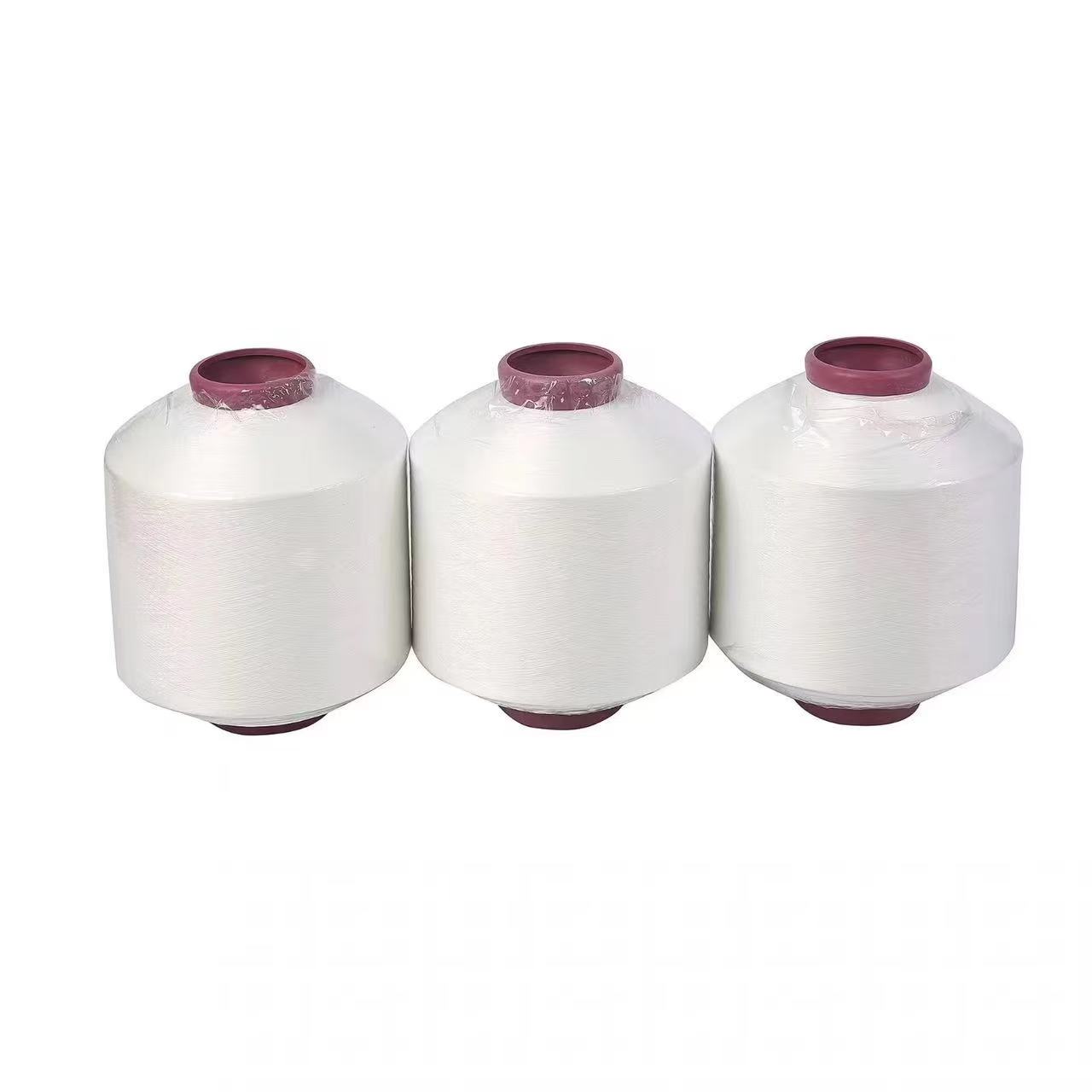
Twisting Thousands of "Threads", Weaving Styles: A Discussion on the Styling Effect of Twisting Process on Fabrics