Application and Development Trends of PBT Fiber
author: Sam Wu
2024-04-11
Application and Development Trends of PBT Fiber
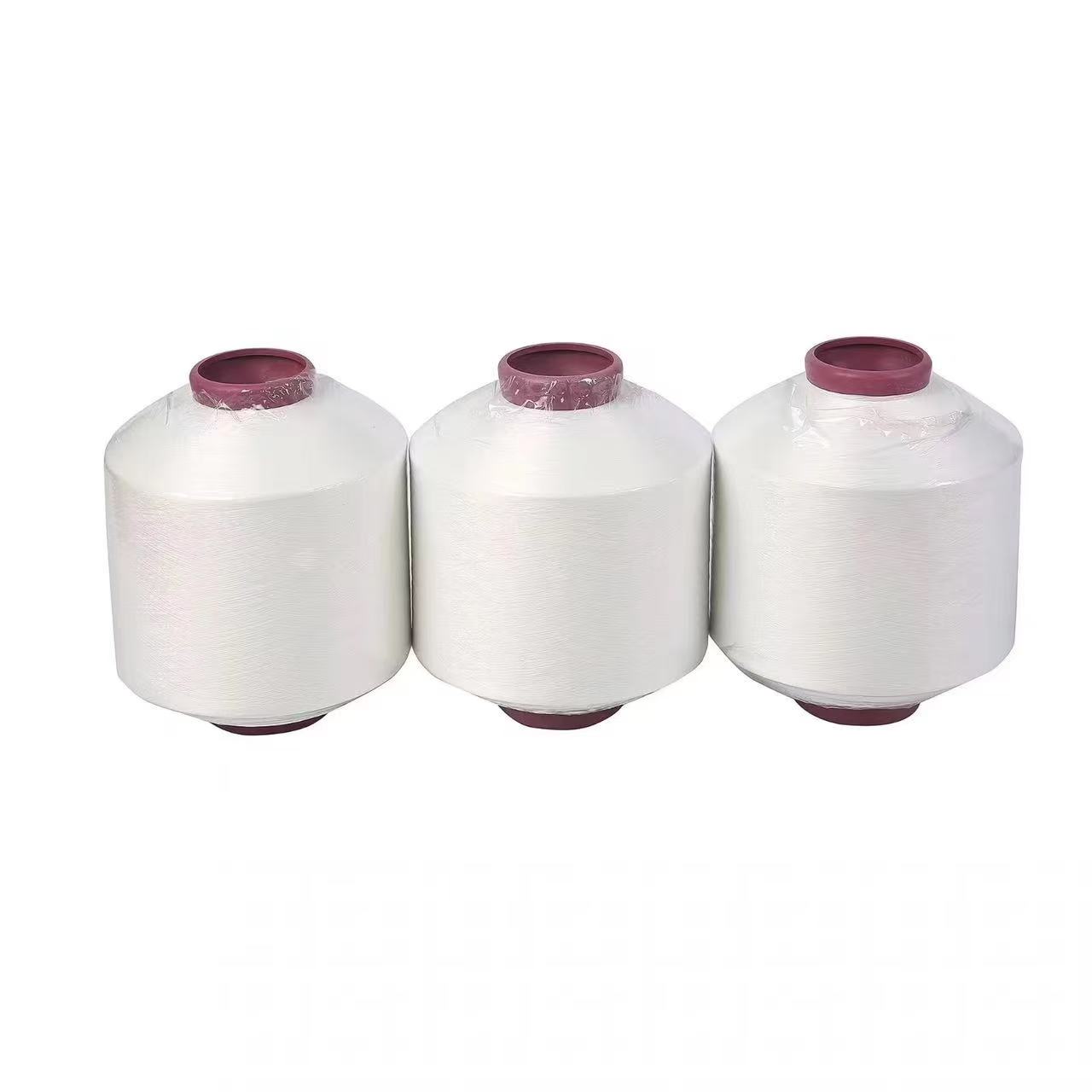
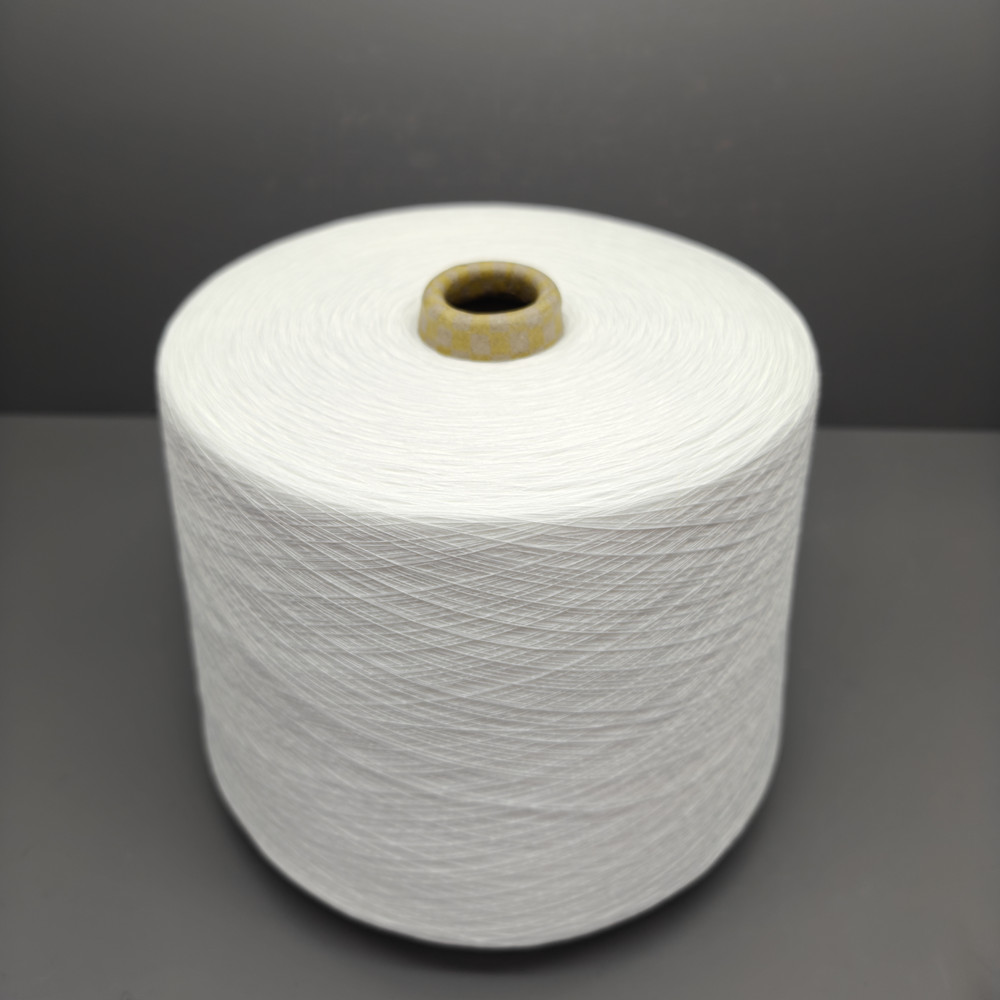
Polybutylene terephthalate (PBT) fiber is produced from abundant raw materials and its production process is similar to that of polyester. In recent years, the production scale has been continuously expanding. Due to the excellent properties of PBT fiber such as resilience, mildew and moth resistance, good curl elasticity, antistatic properties, and dyeability, PBT fibers are widely used in elastic garments such as swimsuits, sportswear, skiwear, and dance leotards.
In addition to being used as a standalone textile material, the modified application of PBT fiber has also experienced rapid development in recent years. For example, PBT/PET composite spinning fibers not only have good spinnability but also have soft fabric feel, high bulkiness, and easy dyeability, and can be used as both faux fur fibers and elastic fibers. At present, the elasticity of PBT segmented copolymer fibers can reach 80% of spandex, while other properties are superior to spandex. The future development of PBT fiber needs to focus on the following directions.
Part 1 Conditions for the sustainable development of the industry chain
Compared with PET fiber, the conditions for the sustainable development of the PBT fiber industry chain are relatively superior. This is mainly reflected in the following aspects: Biomass resources and the relative cost of bioprocesses for synthetic raw materials are lower than those of bio-EG, and by-products of BDO synthesis have relatively high added value potential. With the increase in BDO production capacity, its cost will further decrease; The direct esterification method of PTA has become the mainstream process for PBT synthesis, commonly using titanium-based catalysts, and the recovery and purification of the by-product THF have become industrial standard configurations, with corresponding technical specifications established (HG/T 5870-2021 "Technical Specification for Green Design Product Evaluation - Polybutylene Terephthalate (PBT) Resin"); Compared with PET fiber, the energy consumption and pollution in the dyeing and finishing processes of PBT fiber are low, which is beneficial for reducing sewage treatment pressure; Environmentally friendly oil agents for PET can be used; Fiber fabrics can be recycled by melt recycling.
Part 2 Expansion of the application market for technical textiles
It is expected that the development of PBT fibers in the Asian region, especially in mainland China, will be further enhanced. By drawing on the equipment technology and engineering experience of PET fiber production, the previous bottleneck of unstable quality is being overcome, and technical textiles suitable for consumer markets and the demands of new industries are being developed, including modern agricultural nonwovens, home textiles, sports and fitness textiles, physiotherapy textiles, and "use-and-throw" nonwovens. Especially, biodegradable nonwovens made of co-polymer modified PBT, which use titanium-based catalysts and do not require chain extenders, are superior in environmental performance and safety of use, and will also create additional market demand. Functional PBT and modified PBT fibers will be competitive in high-value-added fields such as medical, protective, and cosmetic products.
Part 3 Feasibility of further enhancing competitiveness
The technical and performance advantages of PBT in injection-molded engineering plastics are superior to PET. Although PBT fibers cannot surpass PET fibers in cost and quantity, they can complement each other. The production cost and environmental cost of BDO are expected to be improved through the scale and application of biomass resources and biotechnology, and the exploration of high-value-added applications for by-products. Adopting direct spinning technology can greatly reduce energy consumption and improve product quality, and liquid-phase viscosity enhancement technology has energy consumption advantages over solid-phase viscosity enhancement; Currently, newly designed single-set PBT equipment has basically reached an economic scale, and conditions for direct spinning (including melt blowing) are basically in place. The quality of fibers is expected to be greatly improved. The comprehensive performance of melt-blown nonwovens produced using PBT or co-polymer modified PBT with a relative intrinsic viscosity of 0.6 to 1.05 dL/g will be superior to PET.
We can fully draw on the successful experience of PET polymerization and spinning, optimize THF recovery and recycling process flows, optimize the processing of by-products and the production process of modified PBT, give full play to the comprehensive advantages of the industry chain, increase research and industrialization of high-efficiency, hydrolysis-resistant, low-cost titanium-based catalysts, and form an integrated industry chain for subsequent direct spinning of PBT, blending of engineering plastics, and comprehensive application of by-products.
New high elongation hot melt yarn
100% bamboo fiber yarn
Related Article
Nylon 6 HT yarn,
840/140
1680/280
2520/420
for your strongest fabric.
Polyester HT 400D
400D 600D 1200D
Webbing, suitcase straps use
840/140
1680/280
2520/420
for your strongest fabric.
Polyester HT 400D
400D 600D 1200D
Webbing, suitcase straps use
Dope dyed yarn polyester nylon high tenacity