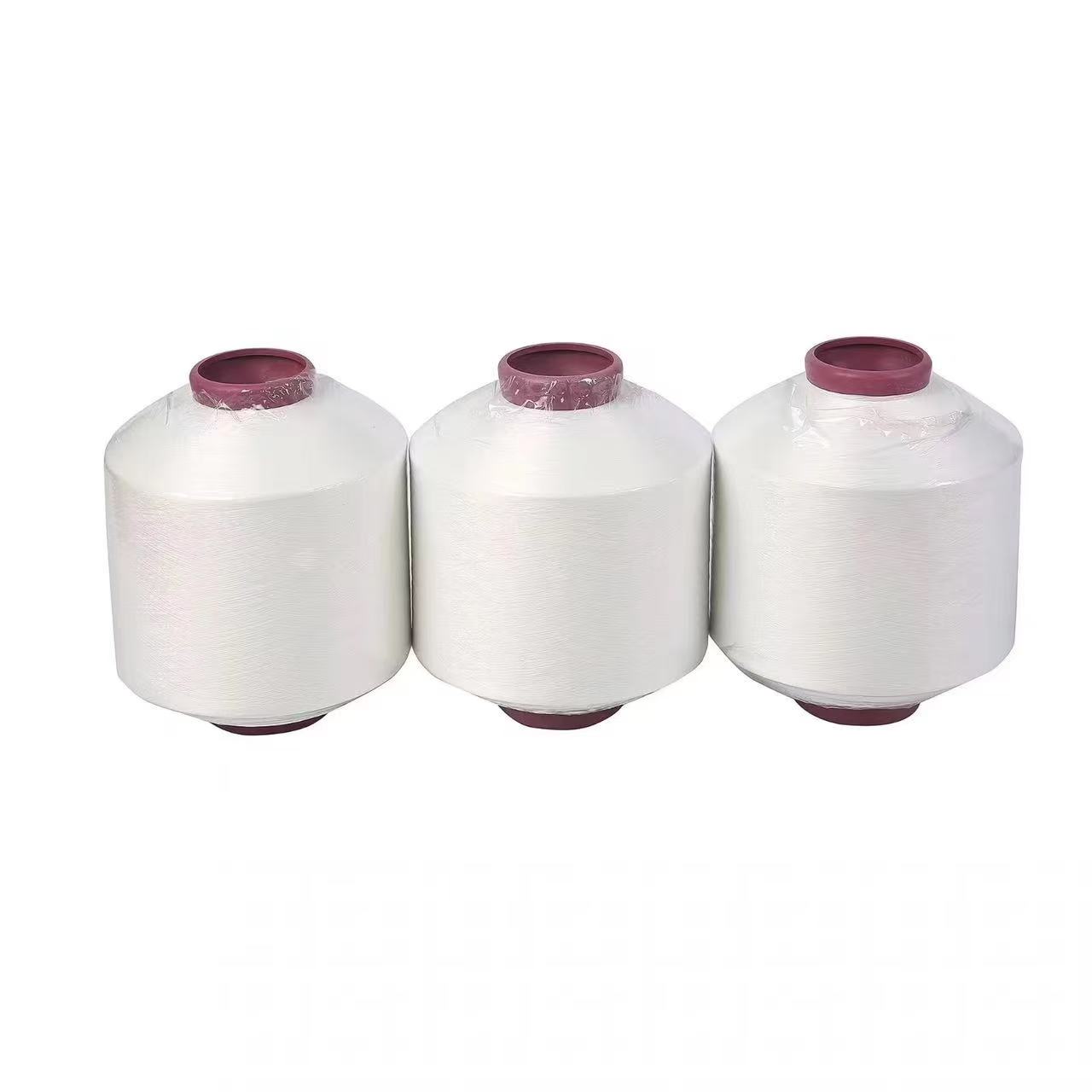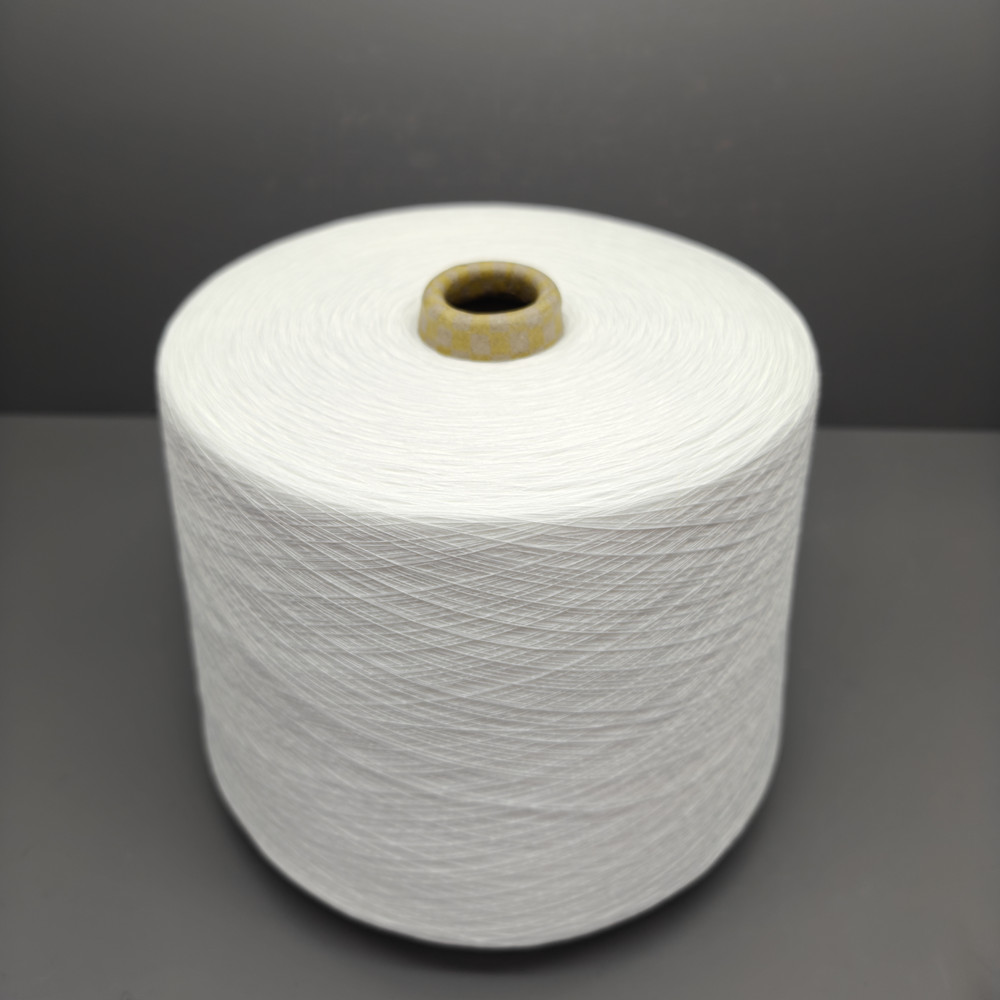
Conversion formula between textile yarn fineness indicators
2024-04-28


Yarn fineness is an index used to measure the thickness of yarn. There are two calculation formulas commonly used in textiles: fixed-length calculation formula and fixed-weight calculation formula.
The following are three calculation formulas for fixed-length systems:
1. Tex number - also known as "number", refers to the number of grams of weight of a 1000-meter-long yarn at a public moisture regain. It is a fixed-length unit. The larger the gram weight, the thicker the yarn. , often used to represent wool yarn.
2. Denier (D) - also known as "denier" or (denier), refers to the number of grams of weight of 9000 meters of yarn or fiber under the public moisture regain rate. It is also a fixed-length system. Unit, the larger the gram weight, the thicker the yarn or fiber. It is often used to represent chemical fiber filaments, silk, etc.
3. Dectex (dtex) - referred to as decitex, the symbol is tex, which refers to the number of decigrams of the weight of a 1000-meter-long yarn at a common moisture regain, dtex=dg/L*1000, where dg is the yarn ( The weight (in decigrams) of the yarn (or silk), L is the length (meters) of the yarn (or silk). It is a fixed-length unit. The larger the weight, the thicker the yarn. It is often used to represent fiber yarn.
The following are two calculation formulas for fixed weight production:
1. Imperial count (Ne) - under the public moisture regain, the multiple of 840 yards of the length of 1 pound of yarn, that is to say, 1 pound of yarn is exactly 840 yards long, which is 1 count of yarn and 1 pound of yarn. The thread length is 21×840 yards long, and the yarn fineness is 21 counts, written as 21s. The imperial count is a fixed weight system, so the larger the count, the thinner the yarn. The British count is not the legal yarn fineness index in my country today, but it is still widely used in enterprises, especially in the cotton textile industry.
2. Metric count (Nm) - under the public moisture regain, the meter multiple of the length of 1 gram weight yarn, that is to say, 1 gram weight yarn is exactly 1 meter long, 1 (metric) count yarn, 1 gram weight The yarn length is 200 meters long and the yarn fineness is 200 counts. Metric count is also a fixed weight system, so the larger the count, the thinner the yarn. It is used in both cotton and wool textile industries.
Fixed-length and fixed-weight unit conversion formulas
The conversion formula between metric count (Nm) and denier (D): D=9000/Nm
The conversion formula between imperial count (S) and denier (D): D=5315/S
The conversion formula between dtex and tex: 1tex=10dtex
Conversion formula between Tex and Denier (D): Tex=D/9
The conversion formula between Tex and imperial number (S): Tex=K/S
K value: pure cotton yarn K=583.1; pure fiber K=590.5; polyester-cotton yarn K=587.6; cotton viscose yarn (75:25) K=584.8; fiber cotton yarn (50:50) K=587.0
The conversion formula between Tex and metric number (N): Tex=1000/N
The conversion formula between decitex (dtex) and denier (D): dtex=10D/9
The conversion formula between decitex (dtex) and imperial count (S): dtex=10K/S
K value: pure cotton yarn K=583.1; pure fiber K=590.5; polyester-cotton yarn K=587.6; cotton viscose yarn (75:25) K=584.8; fiber cotton yarn (50:50) K=587.0
The conversion formula between decitex (dtex) and metric number (N): dtex=10000/N
ATY YARN
The Innovative Applications of Hot Melt Yarn in the Textile Industry
Related Article

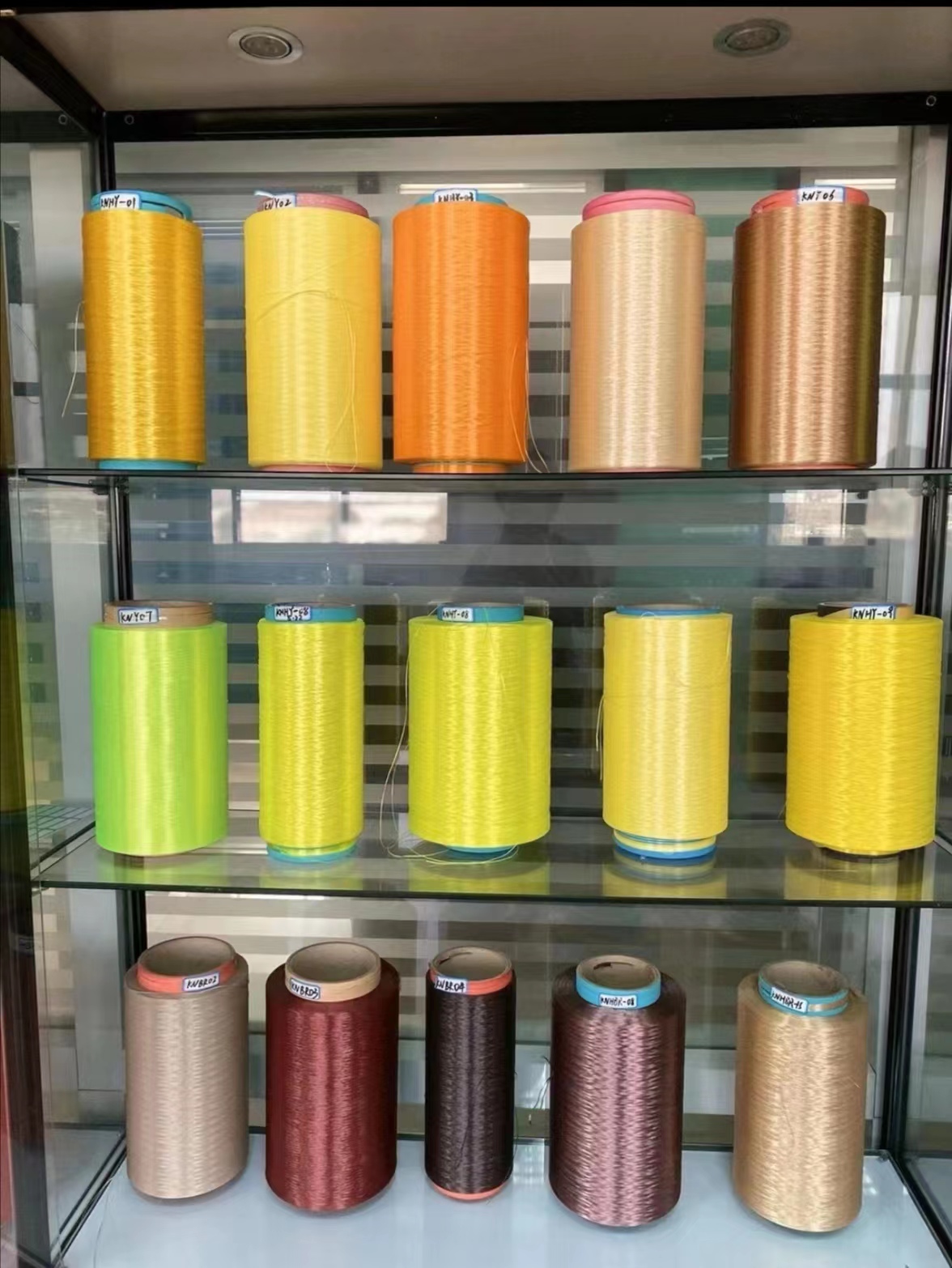
Nylon 6 HT yarn,
840/140
1680/280
2520/420
for your strongest fabric.
Polyester HT 400D
400D 600D 1200D
Webbing, suitcase straps use
840/140
1680/280
2520/420
for your strongest fabric.
Polyester HT 400D
400D 600D 1200D
Webbing, suitcase straps use
Dope dyed yarn polyester nylon high tenacity