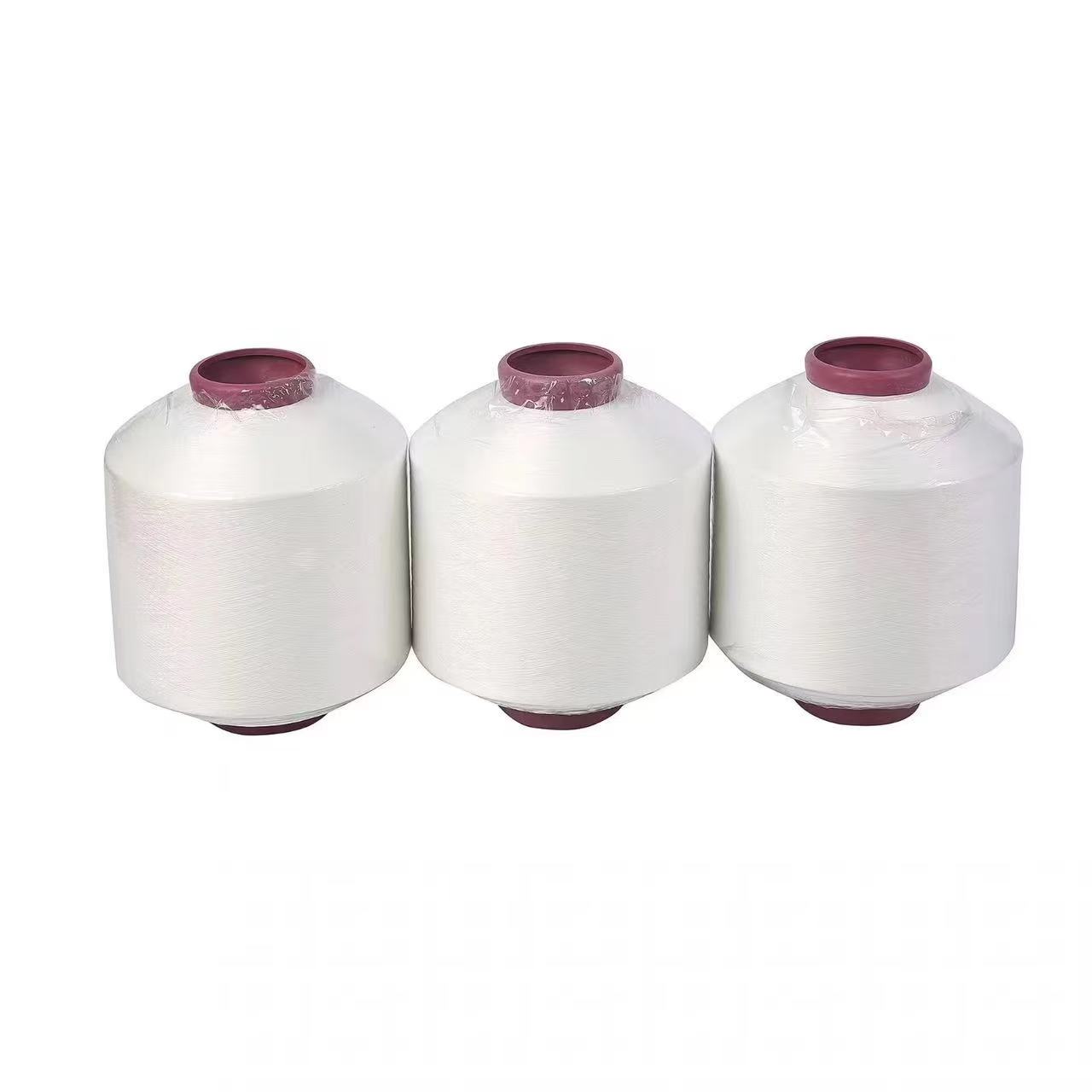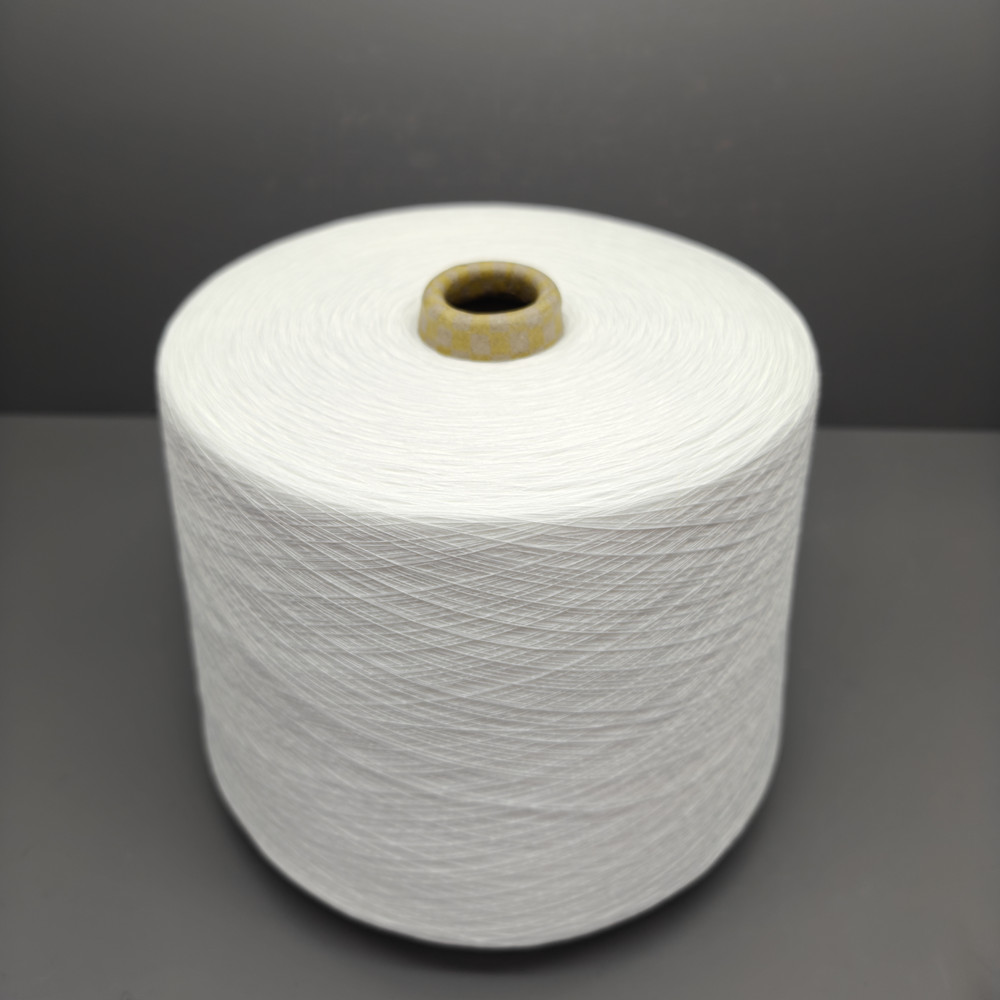
What are biobased fibres?
Biobased fiber is a type of fiber extracted from natural sources, such as cotton, flax, hemp, bamboo, and animal hair, silk, etc. as opposed to synthetic fibers made from petroleum-based products. Biobased fibers have several advantages over synthetic fibers, such as being biodegradable, environmentally friendly, and sustainable. Additionally, biobased fibers have good softness, moisture absorption, breathability, and durability, and are therefore widely used in textile, medical, construction, and other industries.

The classification of biobased fibers:
1. Natural fibers: fibers derived from plants, animals, and minerals, such as cotton, wool, silk, flax, and jute.
2. Regenerated fibers: fibers that are made from natural materials but are processed chemically to create a new fiber, such as rayon, bamboo, and Tencel.
3. Biopolymers: fibers that are made from naturally occurring polymers, such as polylactic acid (PLA) and polyhydroxyalkanoates (PHAs).
4. Synthetic biodegradable fibers: fibers that are made from biodegradable synthetic materials, such as polycaprolactone (PCL) and polyglycolic acid (PGA).
What are the biomaterial-based natural fibers? What are their characteristics?
Common examples of biomaterial-based natural fibers include cotton fiber, linen fiber, hemp fiber, jute fiber, ramie fiber, kenaf fiber, wood pulp fiber, apple cellulose fiber, protein fiber, and silk fiber. The characteristics of these biomaterial-based natural fibers are as follows:
1. Cotton fiber: Soft texture, good moisture absorption, good air permeability, and easy to dye. It is commonly used in textile manufacturing.
2. Linen fiber: High strength, soft, good air permeability, good moisture absorption, heat-resistant, and can be used to make high-end clothing, ropes, and textiles.
3. Hemp fiber: Tough texture, durable, good water absorption, commonly used to make ropes, canvas, textiles, etc.
4. Jute fiber: High strength, soft, good glossiness, good air permeability, and can be used to make textiles, hand-woven products, etc.
5. Ramie fiber: Soft, smooth, high strength, wear-resistant, commonly used in textiles, ropes, net bags, etc.
6. Kenaf fiber: High strength, soft, good glossiness, good air permeability, and can be used to make textiles, ropes, etc.
7. Wood pulp fiber: High strength, high hardness, good flame retardancy, and can be used to make paper, fiberboard, etc.
8. Apple cellulose fiber: High strength, soft, good water absorption, good biodegradability, and can be used to make food packaging, medical dressings, etc.
9. Protein fiber: Soft, good air permeability, good moisture absorption, commonly used to make high-end clothing, silk, etc.
10. Silk fiber: Soft, high strength, good glossiness, commonly used to make high-end clothing, silk, etc.
Overall, biomaterial-based natural fibers have advantages such as good biodegradability, high renewability, and environmental friendliness, making them have broad application prospects in the field of sustainable materials.
Fuzhou Tian Fang Technology Co., Ltd. specializes in the development and production of high-quality bio-based fibers for various applications, we welcome your enquiry,feel free to contact us.
Why do dyes fade in the sun?
How to distinguish between Rayon and Cotton?
Related Article

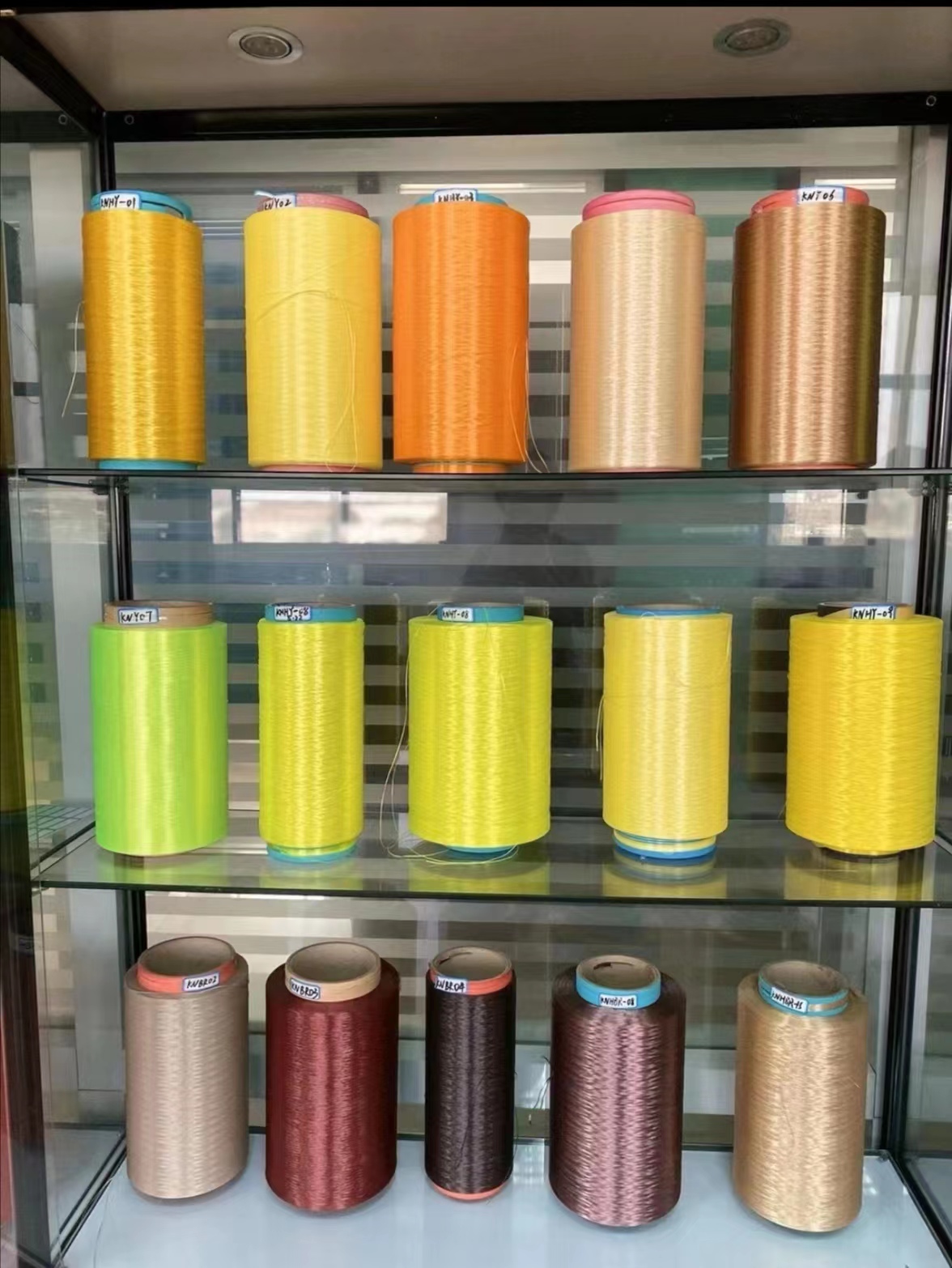
840/140
1680/280
2520/420
for your strongest fabric.
Polyester HT 400D
400D 600D 1200D
Webbing, suitcase straps use