The New Darling of Eco-Fashion: Exploring the Characteristics and Applications of Acetate Fiber
Acetate fibres are produced by reacting acetic acid with the q hydroxyl group on cellulose, thereby acetylating the cellulose fibre. Di-acetate, more than 74% acetylated; tri-acetate, at least 92% di-acetate and tri-acetate have little difference in performance, tri-acetate is mainly better in wet strength and a little more stable, but is substantially less cost effective than di-acetate.
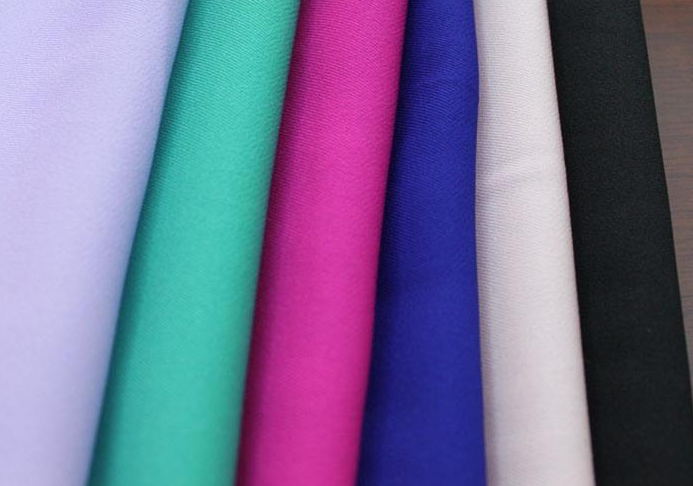
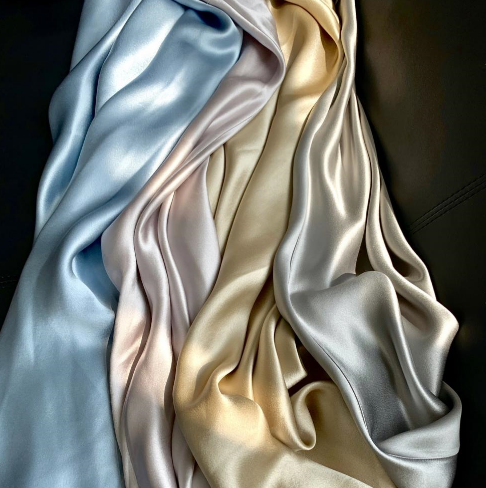
Acetate is an imitation silk raw material with a natural luxurious feel and silk-like touch, the coolest of the chemical fibres to resemble real silk. Acetate has excellent moisture absorption and breathability, elegant lustre, vibrant colours, a soft and smooth feel, light texture, moderate moisture return, good anti-pilling and anti-static properties, not easily wrinkled, good drape resistance to high temperature ironing, good dimensional stability, insect resistance and biodegradability.
Acetate is resistant to weak acids, but strong acids can damage the fibres and strong alkalis can saponify the acetate and convert it into regenerated cellulose, which can usually be dyed with special disperse dyes.
Acetate is widely used in evening dresses, pyjamas, wedding costumes, ladies' suits, velvet, home textiles, etc. The main specifications are: 55D/75D/100D/120D/150D/300D, etc. with and without light.
A Must-Know in Dyeing: Revealing the Principles and Various Methods of Clothing Bleaching in Dyeing Processing
Coolmax Yarn: Unraveling the Secrets of High-Performance Sports Fabric
Related Article

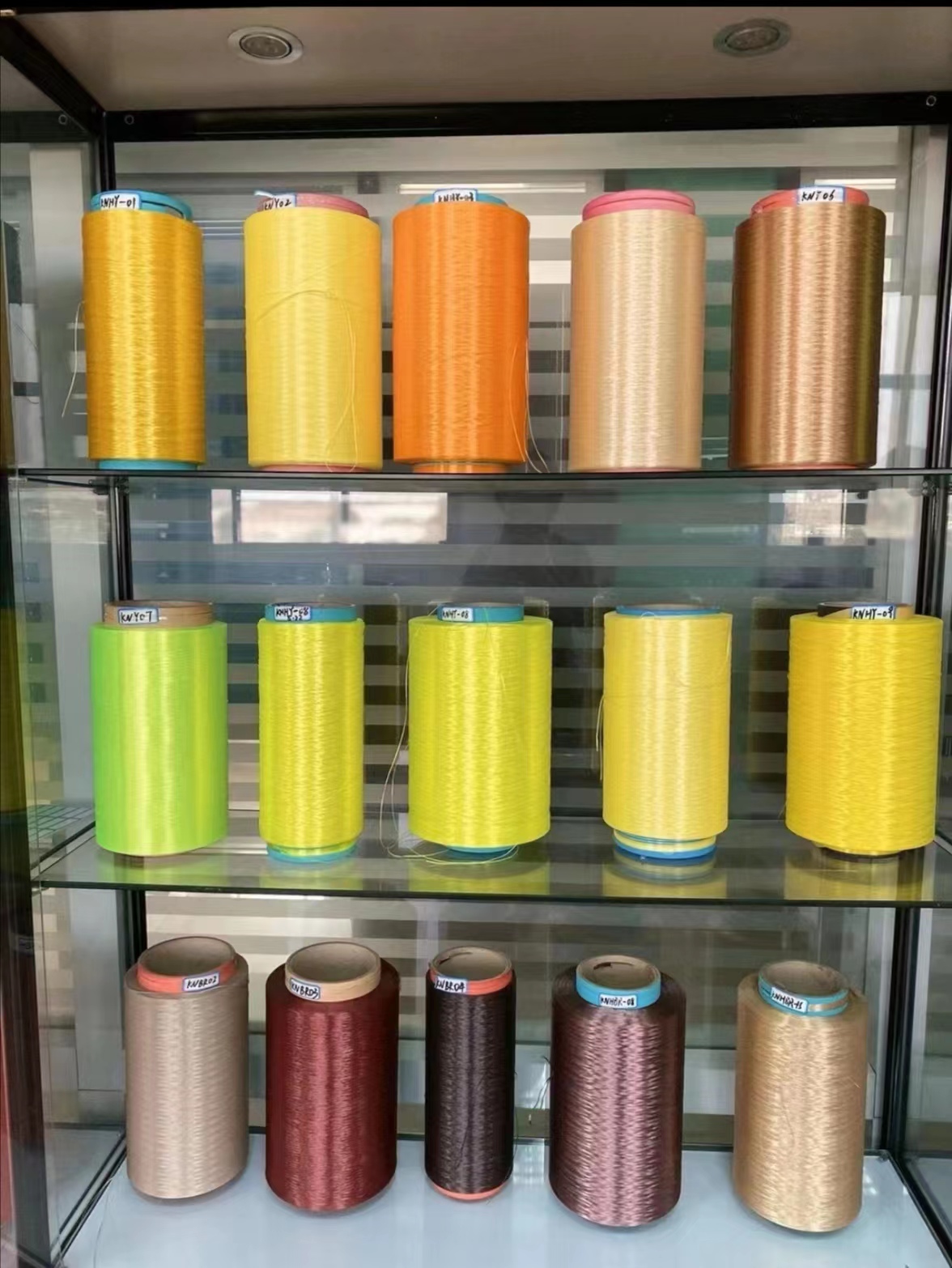
840/140
1680/280
2520/420
for your strongest fabric.
Polyester HT 400D
400D 600D 1200D
Webbing, suitcase straps use