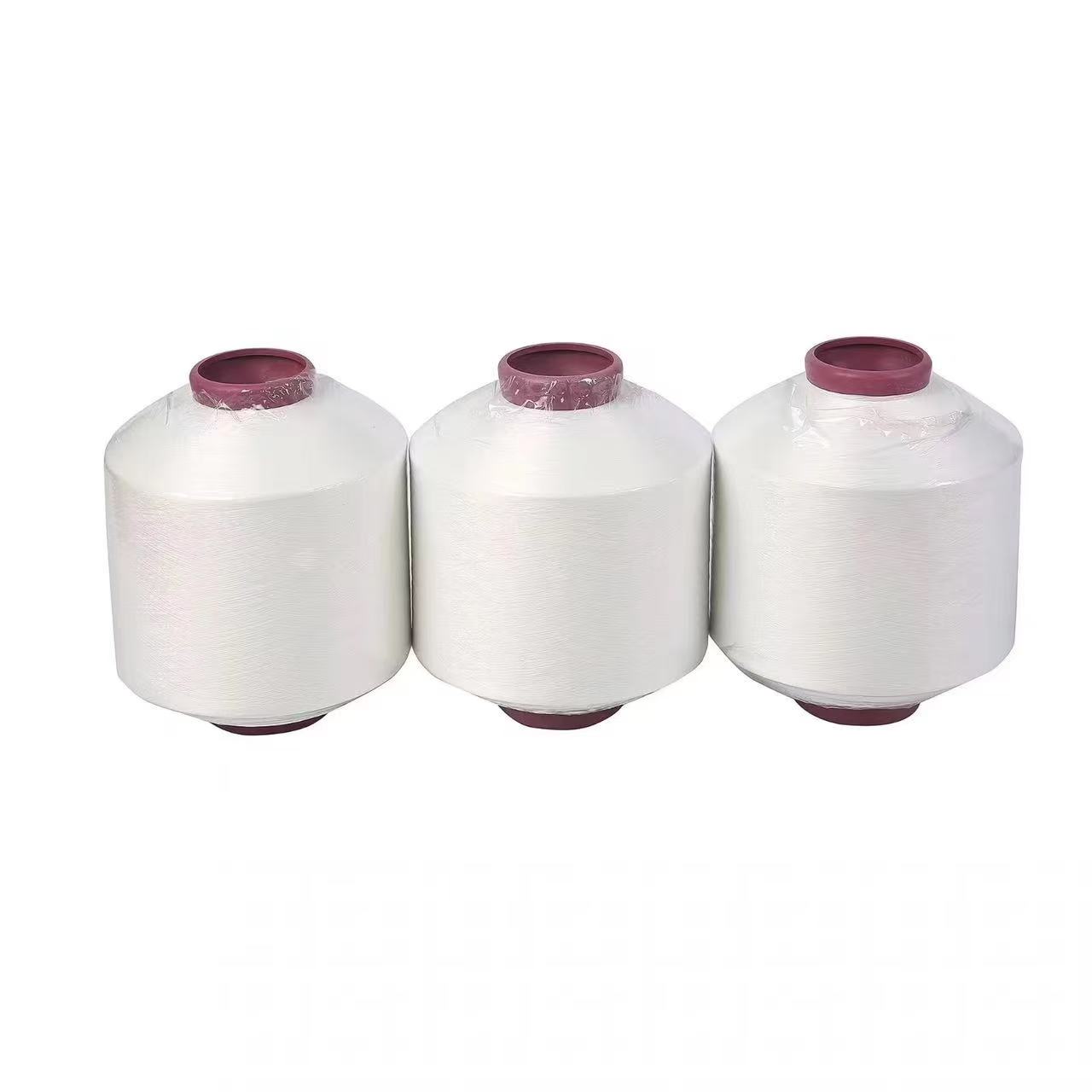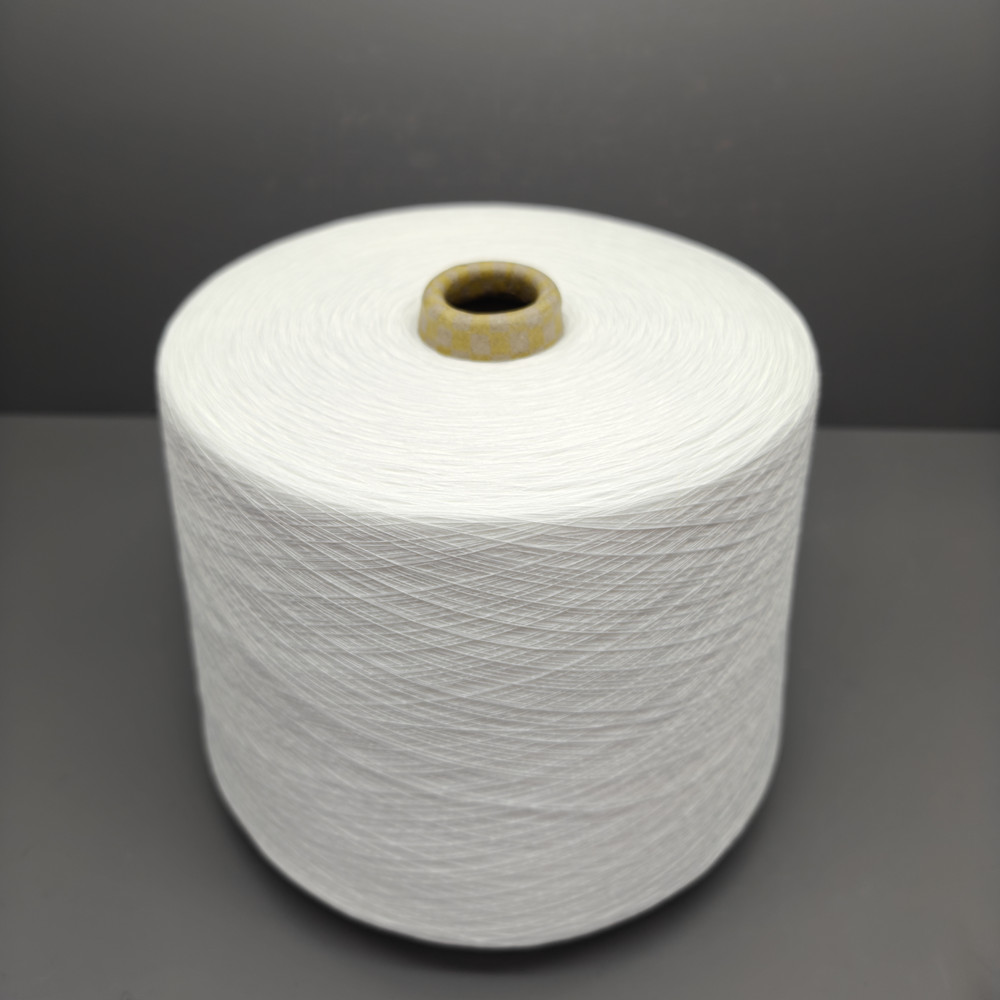
A major breakthrough in the textile industry: Exploring the advantages of acetate fiber

"From nature and back to nature"
Cellulose acetate, abbreviated CA.
Cellulose acetate is divided into di-acetate and tri-acetate fibres, and is a type of man-made fibre. It is a chemical fibre made from cellulose, which has been chemically transformed into cellulose acetate. First prepared in 1865, it is an acetate ester of cellulose. A thermoplastic resin obtained by the esterification of cellulose with acetic acid or acetic anhydride in the presence of a catalyst, a chemically modified natural polymer obtained by the esterification of the hydroxyl groups in the cellulose molecule with acetic acid. Its properties depend on the degree of acetylation.
Classification of cellulose acetate
Cellulose can be divided into diacetate and triacetate according to the degree of substitution of hydroxyl groups by acetyl groups in the cellulose.
Diacetate is formed by partial hydrolysis of type I vinegar esters, and its degree of esterification is lower than that of triacetate. As a result, the heat resistance is less than that of triacetate, the dyeing performance is better than that of triacetate and the moisture absorption rate is higher than that of triacetate.
Tric vinegar is a type I vinegar ester which is not hydrolysed and its degree of esterification is higher. As a result, it is more resistant to light and heat, has poorer dyeing properties and has a lower moisture absorption rate (also known as moisture regain).
In the molecular structure of acetate, the hydroxyl group on the glucose ring of cellulose is replaced by an acetyl group, forming an ester bond. The degree of esterification of diacetate is lower than that of triacetate due to hydrolysis. Diacetate has a larger amorphous region in its supramolecular structure, whereas triacetate has a certain crystalline structure, and the symmetry, regularity and crystallinity of the fibre macromolecules are higher than those of diacetate.
Properties of cellulose acetate
Chemical properties
1. Alkali resistance
Weak alkaline alkaline agents do not cause damage to acetate fibres, and the weight loss of fibres is very small. After encountering strong alkali, especially diacetate, it is easy to deacetylate, resulting in weight loss, strength and modulus are also reduced. Under standard washing conditions, it has strong resistance to chlorine bleaching and can also be dry cleaned with perchloroethylene.
2. Resistance to organic solvents
Acetate fibres are completely soluble in acetone, DMF and glacial acetic acid, but insoluble in ethanol and tetrachloroethylene. According to these characteristics, acetone can be used as a spinning solvent for acetate, and perchloroethylene can be used for dry cleaning of vinyl fabrics, etc.
3. Acid resistance
The acid resistance of acetate is good, common sulphuric acid, hydrochloric acid, nitric acid in a range of concentrations on the strength, lustre and elongation of fibres are not affected; but can be dissolved in concentrated sulphuric acid, concentrated hydrochloric acid, concentrated nitric acid.
4. Dyeability
Although acetate is derived from cellulose, in the esterification process, a large part of the polar hydroxyl groups on the glucose ring of cellulose are replaced by acetyl groups to form esters, therefore, the dyes commonly used for dyeing cellulose fibres have almost no affinity for acetate and are difficult to dye. The most suitable dyestuffs for acetate fibres are disperse dyestuffs with low molecular weight and similar dyeing rates.
Disperse dyestuffs produce a bright and colourful acetate or fabric with good homogenisation, high dye absorption, high colour fastness and a full colour spectrum.
Physical properties
- Acetate fibre has a certain degree of water absorption, but also has the performance of rapid removal of water absorption.
- The thermal stability of acetic acid fibres is good, the glass transition temperature of the fibres is around 185 ℃, the melt termination temperature is around 310 ℃, at the end of the temperature rise, the weight loss of the fibres is 90.78%; the fracture strength of acetic acid fibres is 1.29 cN/dtex, while the strain is 31.44%.
- The density of acetate is less than that of viscose, and is closer to that of polyester; the strength is the lowest of the three fibres.
- The elasticity of acetate is relatively good, similar to that of silk and wool.
- Boiling water shrinkage rate is low, but high temperature processing will have an impact on the strength and lustre of the fibres, so the temperature should not exceed 85 ℃.

Unveiling the Importance and Technical Requirements of Yarn Setting for Perfect Results
Unveiling the Mystery of Hot Melt Yarn: Advantages and Applications of a Novel Textile Material
Related Article
840/140
1680/280
2520/420
for your strongest fabric.
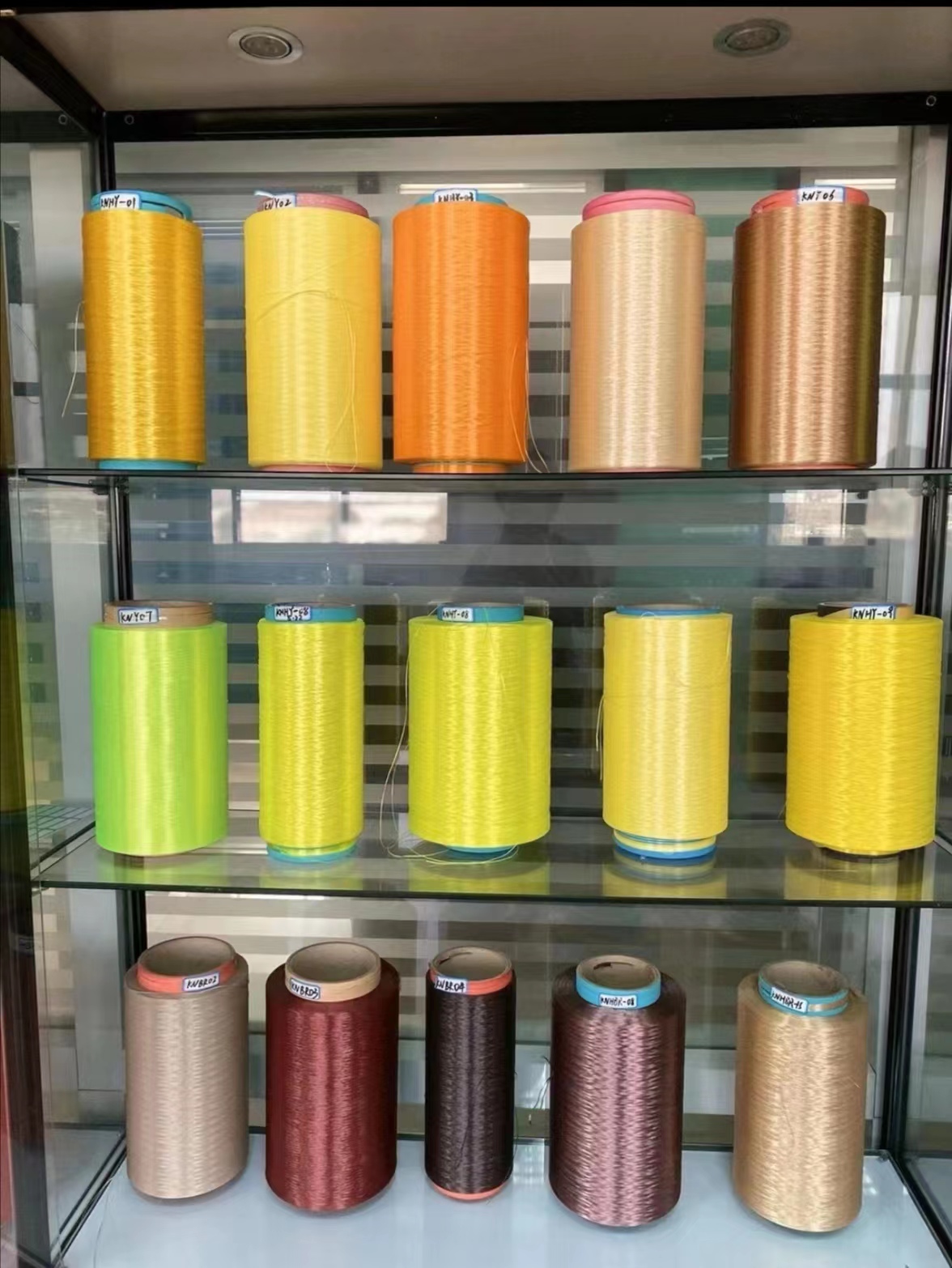
Polyester HT 400D
400D 600D 1200D
Webbing, suitcase straps use