A Must-Know in Dyeing: Revealing the Principles and Various Methods of Clothing Bleaching in Dyeing Processing

Why is bleaching necessary?
Bleaching is necessary in the textile industry for various reasons, including:
1. To remove natural impurities: Natural fibers like cotton, linen, and hemp contain impurities such as wax, pectin, and lignin that can affect the color and quality of the fabric. Bleaching removes these impurities, making the fabric more receptive to dyes and improving its appearance.
2. To remove stains: Fabrics can become stained during processing, transport, or storage. Bleaching can help to remove these stains and restore the fabric's original appearance.
3. To lighten the fabric: Bleaching can also be used to lighten the color of the fabric, making it more suitable for dyeing.
Bleaching methods commonly used in dye houses include:
1. Chlorine bleaching: This method uses chlorine gas or sodium hypochlorite to bleach the fabric. It is a fast and effective method but can damage the fibers if not used properly.
2. Peroxide bleaching: This method uses hydrogen peroxide to bleach the fabric. It is gentler than chlorine bleaching and can be used on a wider range of fibers.
3. Sulphur bleaching: This method uses sulphur compounds to bleach the fabric. It is a slower process than chlorine or peroxide bleaching but is gentler on the fibers.
4. Enzymatic bleaching: This method uses enzymes to break down the impurities in the fabric. It is a more eco-friendly method but can be slower and less effective than other methods.
Unveiling the Mystery of Hot Melt Yarn: Advantages and Applications of a Novel Textile Material
The New Darling of Eco-Fashion: Exploring the Characteristics and Applications of Acetate Fiber
Related Article

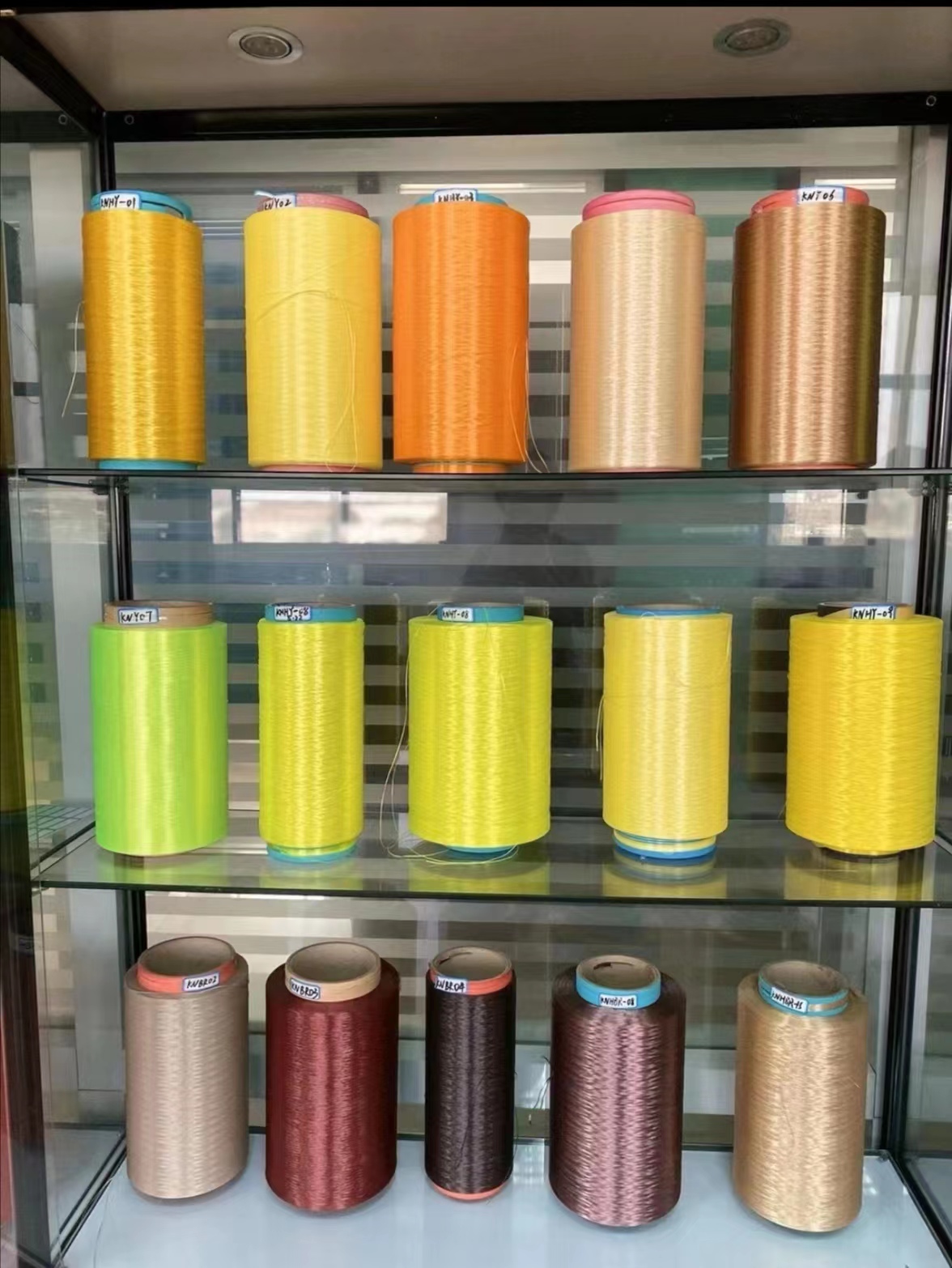
840/140
1680/280
2520/420
for your strongest fabric.
Polyester HT 400D
400D 600D 1200D
Webbing, suitcase straps use