Texture, Pigment, and Material: Exploring the Multifaceted Charm of Printing Techniques

Flat printing: Flat printing is the most common type of printing and it usually uses a printing press to print the pigments directly onto the fabric. The advantages of this printing method are high efficiency and low cost, which makes it suitable for mass production.
Letterpress printing: Letterpress printing is a method of printing where the pattern is etched onto a letterpress plate which is then printed on to the fabric. The advantages of letterpress printing are clear printing patterns, which are suitable for printing products that require fine patterns.
Gravure printing: Gravure printing is a printing method in which the pattern is etched onto a gravure plate by etching, and then the gravure plate is printed on the fabric. Gravure plates can be made from copper, zinc and nickel plates. The advantages of gravure printing are clear printing patterns and strong colour layering, which are suitable for some products that require high quality printing.
Heat transfer printing: Heat transfer printing is a printing method in which the pattern is printed on special heat transfer paper and then transferred to the fabric through heat and pressure. The advantage of this type of printing is that a wide range of colours and patterns can be printed, and the printing speed is faster and suitable for small batches or personalised printing.
Digital printing: Digital printing is the use of a computer to print patterns directly onto the fabric. The advantage of this printing method is that it can print a variety of colours and patterns, and the printing speed is fast, accurate and low cost, suitable for small batch or personalised printing.
Flat screen printing machines: Flat screen printing machines are printing machines that place fabrics and printing nets on a flat surface, apply printing paste to the net surface through a printing scraper, and then print the net surface onto the fabric. Flat screen printing machines are suitable for printing multi-colour, large area patterns and can use letterpress, gravure and screen printing methods.
Rotary printing machine: Rotary printing machine is a printing machine where the fabric is fixed on a cylinder and the printing screen is rotated through the cylinder to apply the printing paste to the screen surface and then print the screen surface onto the fabric. The rotary printing machine is suitable for printing small area, high precision and multi-colour patterns.
Digital printing machine: digital printing machine is a printing machine that uses a computer to output the pattern directly to the printing machine and jets the printing paste onto the fabric through the printing head. Digital printing machine can print high precision, multi-colour and multi-deformation patterns, which are suitable for small batch and personalised customised printing.
Dyeing machine: A dyeing machine is a machine that immerses the fabric in the dyeing solution and makes the dye penetrate into the fabric through temperature, time and pressure. Dyeing machines are suitable for printing relatively large areas, single colours or small amounts of multi-coloured patterns.
Heat transfer machines: Heat transfer machines are machines that print patterns on special heat transfer paper and then transfer the pattern to the fabric through heat and pressure. Heat transfer machines are suitable for printing a wide range of colours and patterns and are quicker to print and are suitable for small batches or personalised printing.
Digital printing: the image is printed directly onto the fabric using a digital printing machine. It has the advantage of fast printing speed and high colour saturation.
Thermal transfer: The design is transferred onto the fabric using a thermal transfer machine. This method is suitable for printing small quantities and where complex designs need to be printed.
Embroidery: The designs are embroidered by using different stitches and threads on the fabric. Embroidery is a very durable and high quality method of printing.
Dyeing: The dyeing effect is achieved by soaking the entire fabric in the dye, which penetrates the fabric fibres. This method produces very vibrant and long lasting colours.
Engraved printing: the design is engraved on a wooden or metal plate, then ink is applied to it and embossed onto the fabric. This method is suitable for producing large quantities of prints.
Each of these printing methods has its own characteristics and advantages and disadvantages and the choice of the right one depends on the specific needs and budget.
Exploring the Multiple Factors Affecting the Tensile Strength of Staple Fiber
Do you know these fabrics?
Related Article
840/140
1680/280
2520/420
for your strongest fabric.
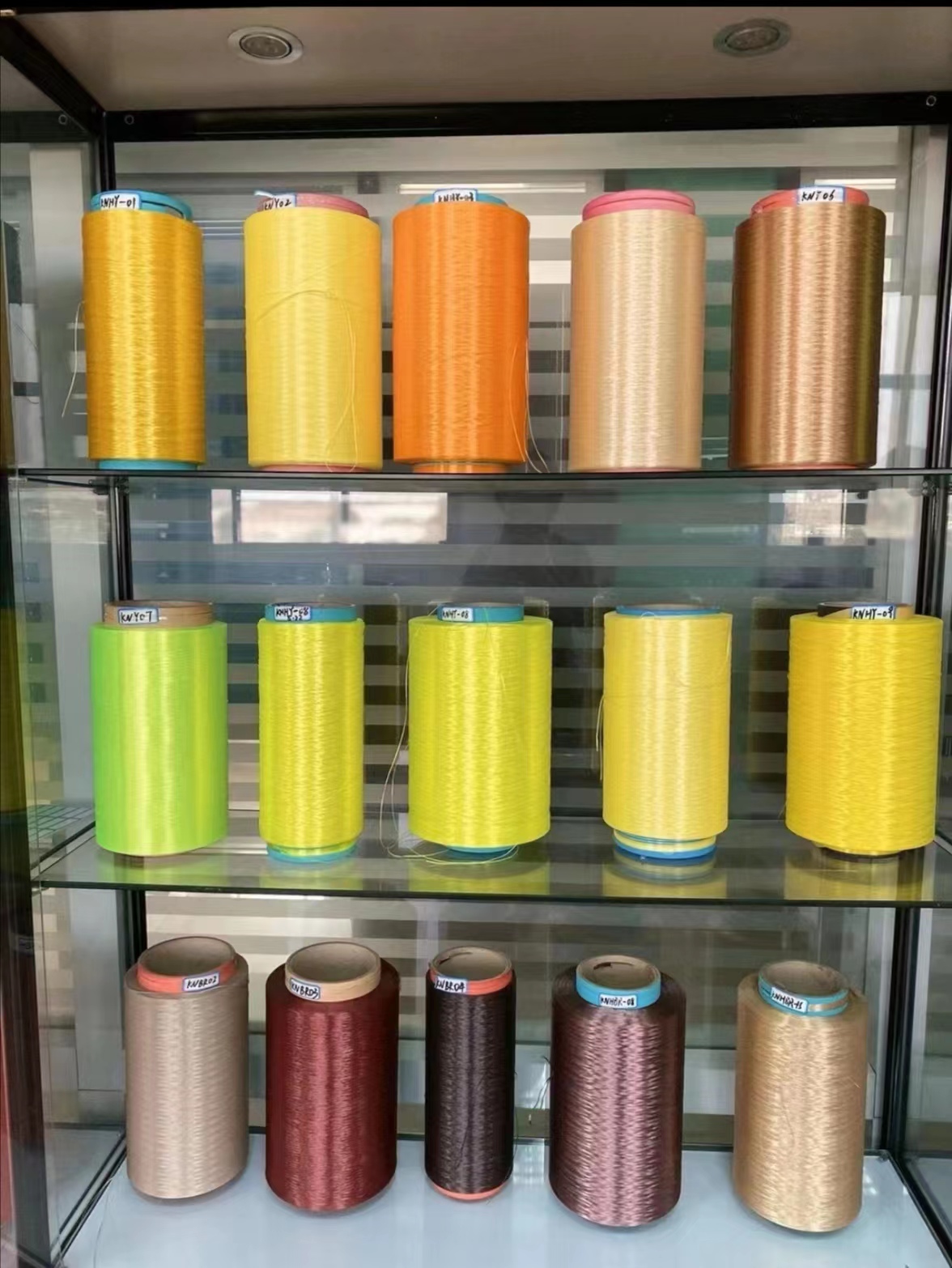
Polyester HT 400D
400D 600D 1200D
Webbing, suitcase straps use