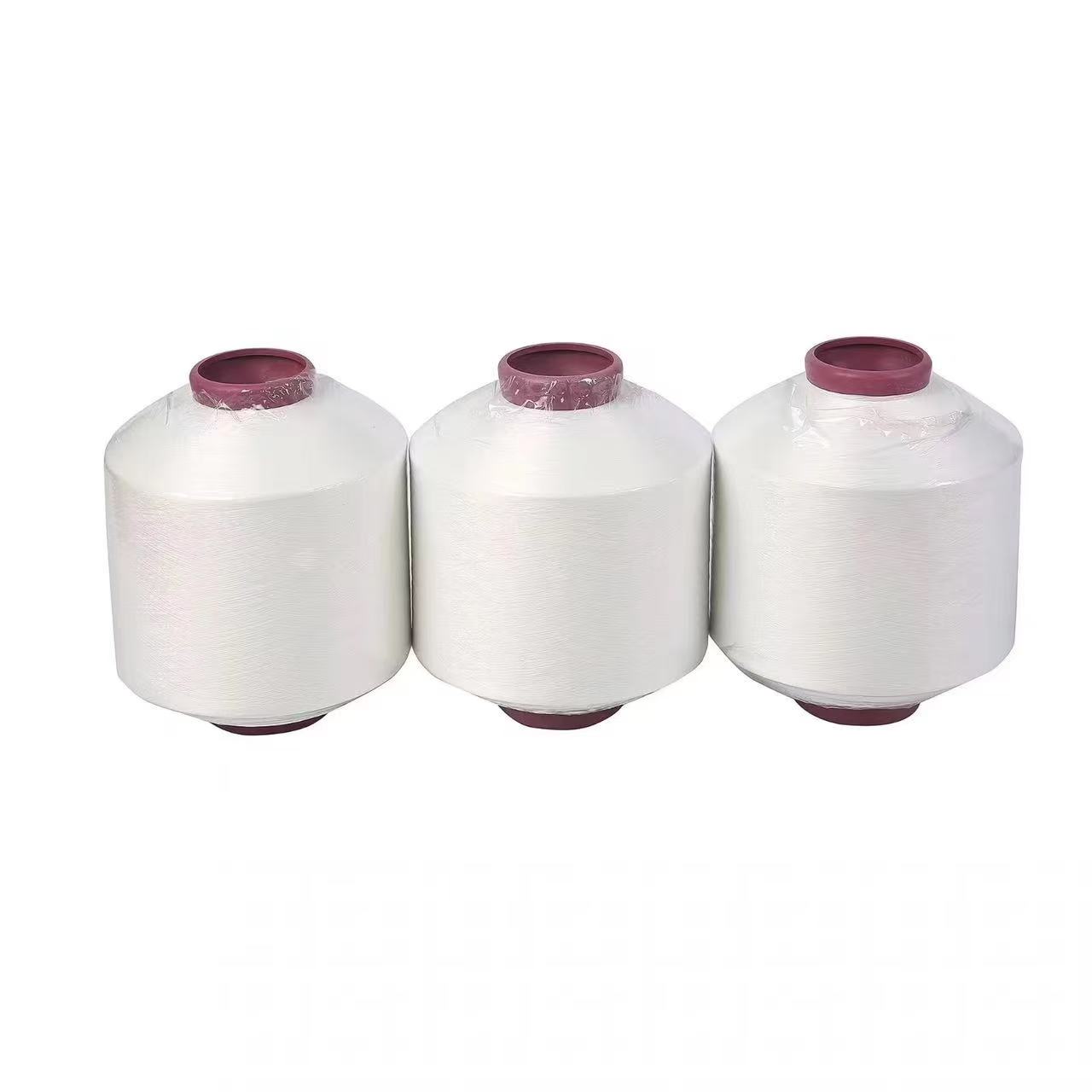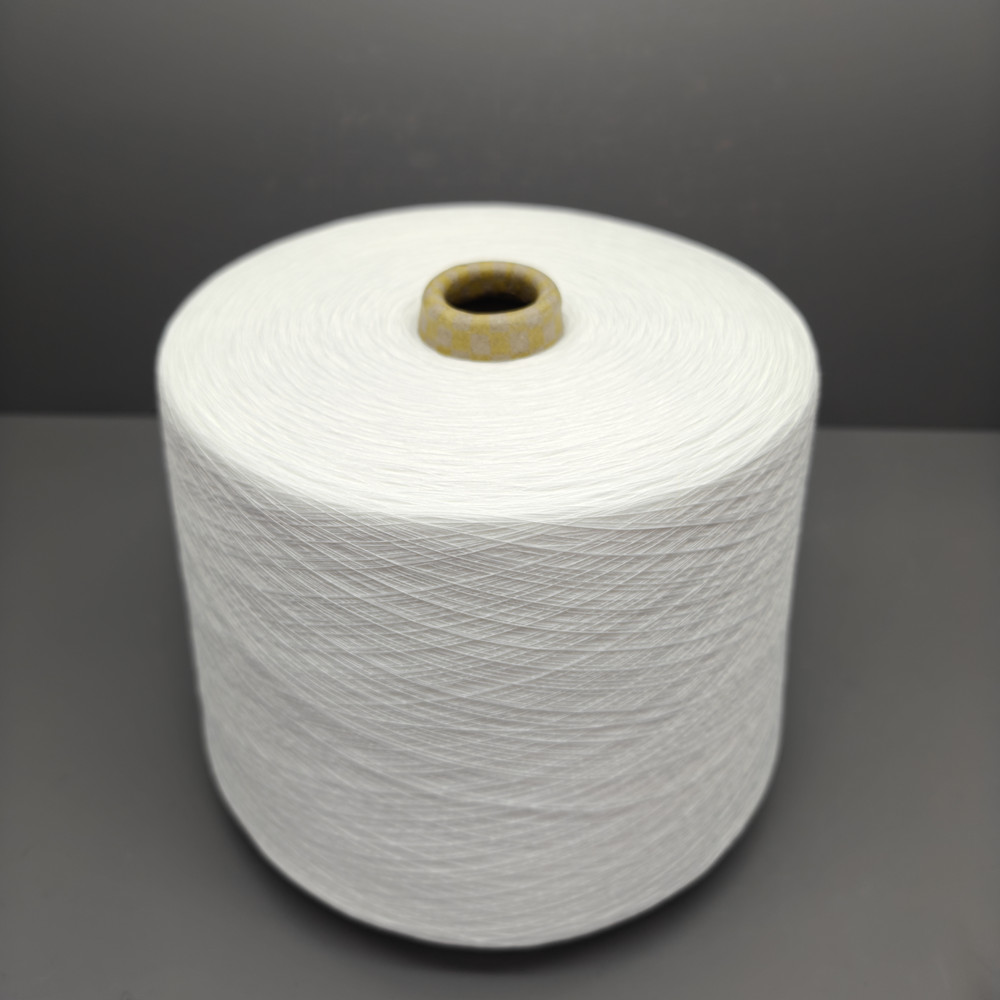
What is yarn count?How does it affect fabrics?
Fabric count refers to the length of yarn per pound (lb) of fabric and is usually expressed in English count (S). Specifically, English count refers to the number of 840 yards (or 768 meters) of yarn in one pound (lb) of weight. The higher the count value, the finer the yarn. Common English counts include 16, 20, 30, 40, 50, and so on.
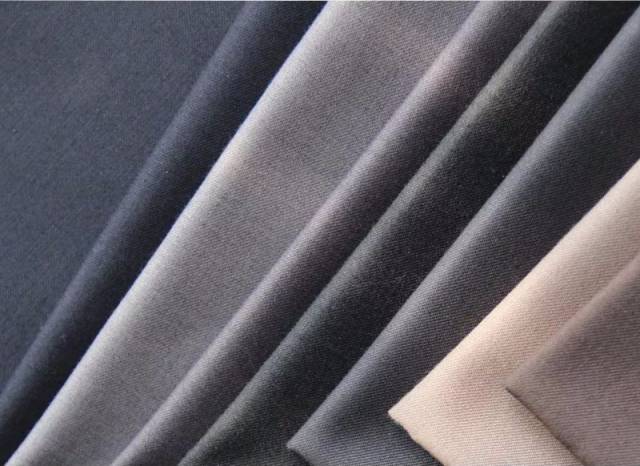
Yarn count is a unit of measurement used to determine the fineness of textile yarn. The higher the yarn count, the finer the yarn. Yarn count is defined as the length of yarn in yards required to weigh one pound, for example, a 40-count yarn means that it takes 40 x 840 yards of yarn to weigh one pound (840 yards is a unit of length, equal to 764.5 meters).
Yarn count has a significant impact on fabrics because it determines the texture, hand-feel, breathability, weight, and durability of the fabric. Generally, fabrics made from higher count yarns are more delicate, soft, and comfortable to the touch, but they have relatively weaker strength and durability, making them suitable for making lightweight clothing and close-fitting garments. Fabrics made from lower count yarns are more robust, abrasion-resistant, and suitable for making durable clothing such as jackets and denim jeans.
Additionally, different types of yarn materials will have different characteristics at the same yarn count. For example, cotton yarn is coarser than silk yarn, so fabrics made from cotton yarn with the same yarn count may be heavier and have a relatively rougher hand-feel. Therefore, selecting the appropriate yarn count and yarn material is essential for the quality of the fabric.
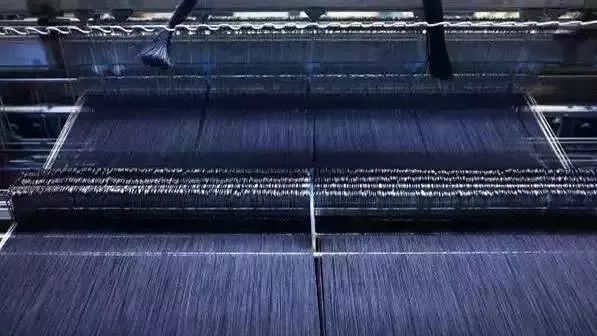
What are the benefits of having more branches?
The higher the yarn count, the finer the yarn and the softer the texture of the woolen fabric. As a result, the relative price is also higher. However, there is no necessary relationship between the yarn count and the quality of the fabric. Fabrics with a yarn count greater than 100 can be called "super." The concept of yarn count is more applicable to worsted fabrics and is not significant for coarse fabrics. For example, for coarse fabrics like Harris Tweed, the yarn count is generally low.
The higher the number of counts, the finer the yarn
Thread count is the most important indicator for measuring the quality of fabric. It is easy to understand, as it simply describes the thickness of the yarn. The higher the thread count, the finer the yarn, and a 250-thread-count wool has a diameter of as small as 11 microns. The finer the yarn, the more delicate and refined the fabric produced through weaving.
The higher yarn count means a longer length of yarn per pound, which typically indicates a thinner yarn. Therefore, yarns with a higher yarn count are usually thinner than those with a lower yarn count.
For example, a cotton yarn with a count of 30 has a longer length per pound compared to a cotton yarn with a count of 20, but the weight of the yarn is lighter, indicating that the yarn is thinner. However, it is important to note that yarn thickness can be influenced not only by the yarn count, but also by the type of material used for the yarn.
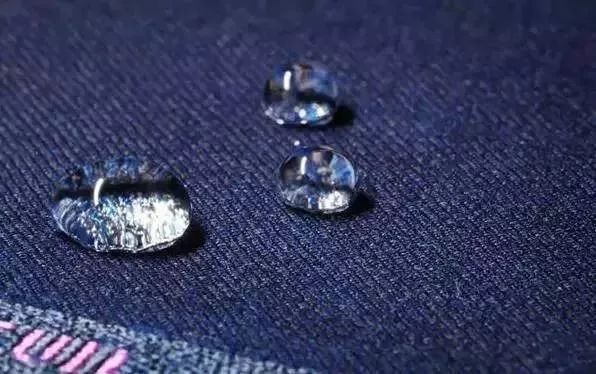
The higher the density, the better the waterproofing
Because of its high density, high thread count fabrics can also be waterproof. If liquids such as red wine, tea, or juice spill on clothes, there is no need to worry as the liquid will only roll off the fabric without permeating it. Making clothes with this functional feature means being carefree instead of overly cautious.
A higher yarn density does not necessarily mean better waterproofing. Yarn density refers to the number of yarns within a unit length of fabric, and a higher yarn density may make the fabric more durable and strong, but it does not necessarily increase its waterproofing ability.
Waterproofing depends on the fabric material and the treatment method used, such as coatings or other surface treatments that can make the fabric waterproof. Therefore, yarn density is not the only determining factor for a fabric's waterproofing ability.
Do you know these fabrics?
Why do dyes fade in the sun?
Related Article
840/140
1680/280
2520/420
for your strongest fabric.
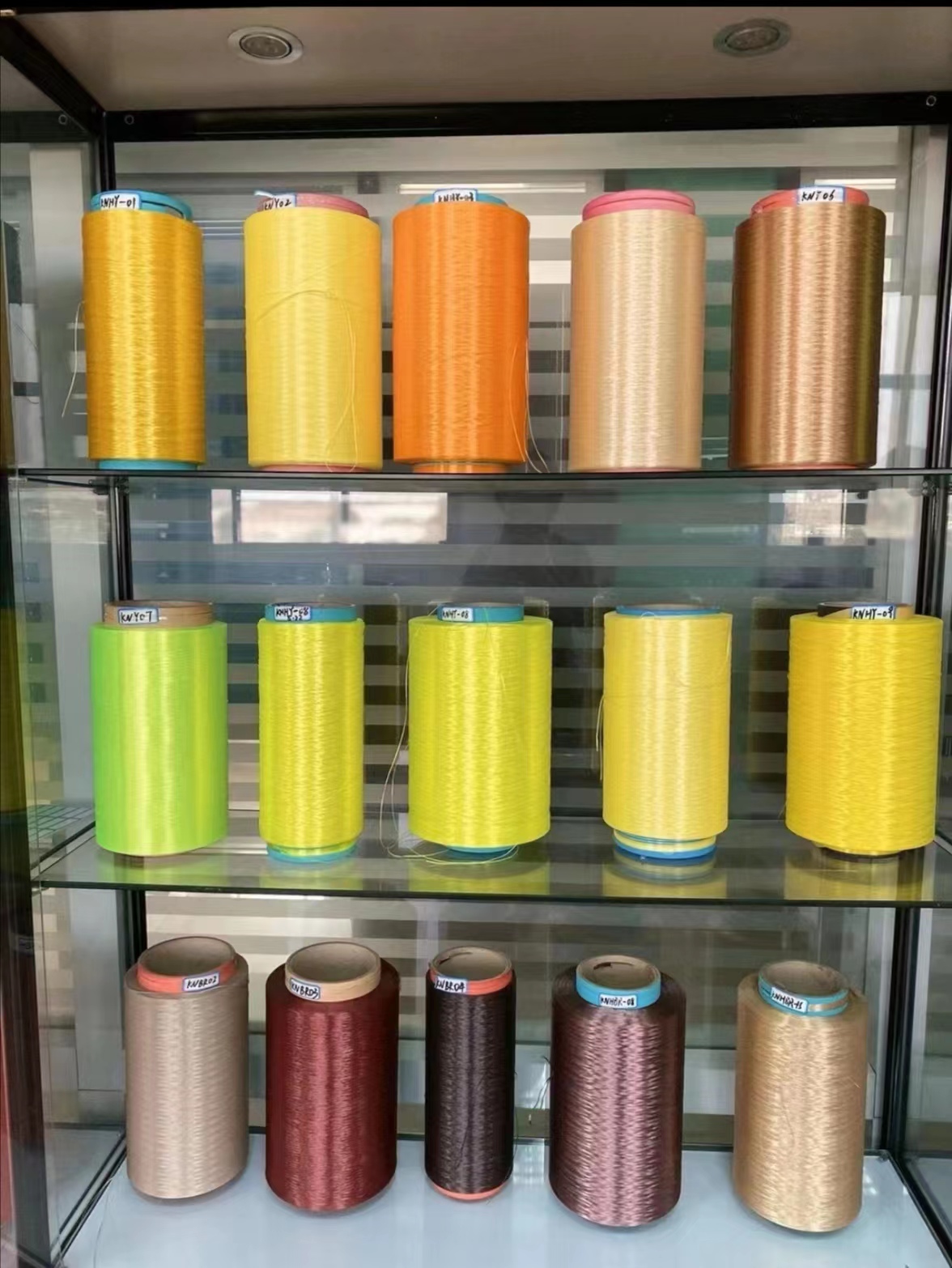
Polyester HT 400D
400D 600D 1200D
Webbing, suitcase straps use